Fly Control in Langley: Keeping Your Home Pest-Free
June 18, 2026
Flies are typically drawn indoors by accessible food, moisture, and organic waste. In Langley, warmer temperatures during spring and summer…
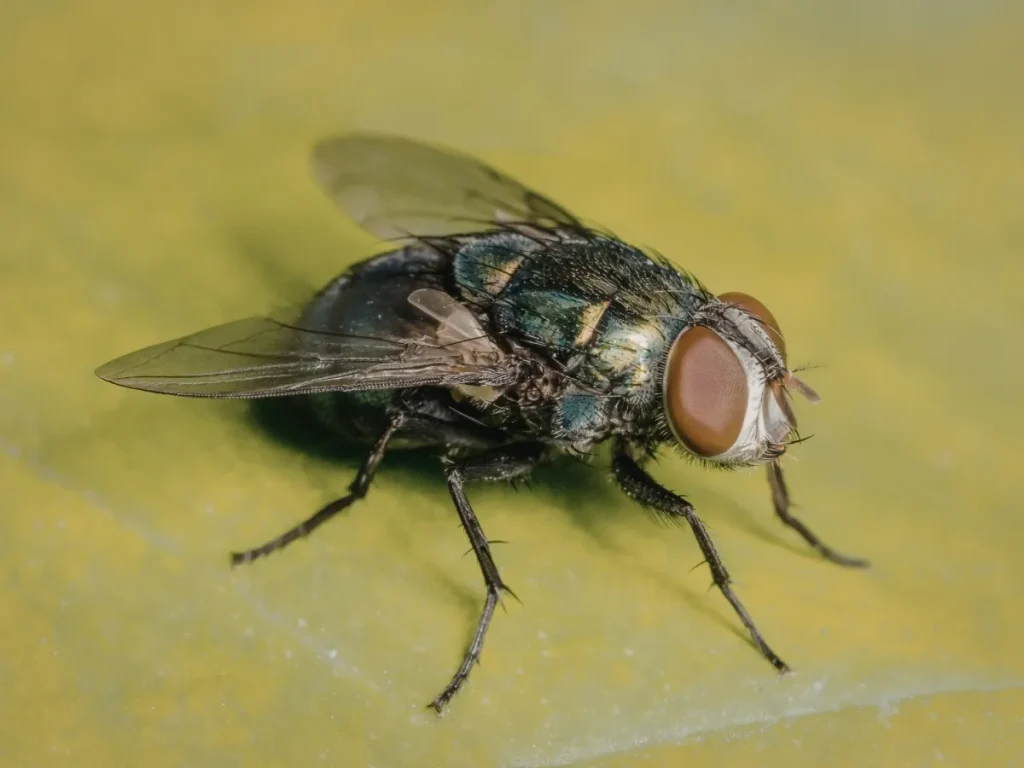
Flies are among the most frustrating pests to deal with because they seem to appear endlessly, no matter how many are removed. Swatting or spraying may provide brief relief, but new adults can emerge from breeding sites that remain out of sight. Kitchens, garbage areas, drains, and exterior waste zones often support ongoing development that is easy to miss. For this reason, effective fly control that Langley residents depend on must address both the insects in view and the sources producing the next wave.
Beyond the irritation they cause, flies are capable of transferring bacteria onto food and preparation surfaces. Their presence can quickly undermine comfort at home and, in businesses, damage customer trust. Solving the issue begins with understanding what is attracting them and where reproduction is taking place. Once those factors are identified, targeted action becomes far more successful. In the sections ahead, we’ll review common origins, potential risks, and the professional strategies that lead to lasting improvement.
Langley’s surroundings provide abundant opportunities for flies to reproduce and spread. Agricultural operations, compost sites, household garbage, and animal waste all create rich breeding environments where larvae can develop quickly. As temperatures rise through spring and summer, life cycles accelerate, leading to noticeable increases in adult populations. Neighbourhoods located near these sources often feel the pressure first, but even homes farther away can experience activity as numbers build.
Flies are capable of travelling significant distances and can slip indoors through the smallest opportunities. Frequently opened doors, damaged screens, and unsealed gaps make entry easy, especially when food odours are present. Once they locate a dependable source, they tend to linger and continue returning. Effective fly control that Langley properties require must therefore consider both interior management and the external factors driving migration. Strong prevention is the foundation of lasting relief.
House flies are the most common visitors. They are attracted to food waste and organic material. Fruit flies are smaller and usually gather near ripened produce or drains. Drain flies breed in moist buildup inside plumbing. Each species requires a slightly different strategy. Identifying the type of fly helps determine the source. Killing adult flies without finding breeding areas is ineffective. Professional technicians focus on locating where reproduction is happening. Eliminating the source stops the cycle.
Flies enter through doors, windows, vents, and even tiny cracks. Frequent foot traffic increases opportunity. Delivery areas in commercial buildings are especially vulnerable. Once inside, they search for food immediately. Because flies reproduce quickly, a small problem can grow fast. A single breeding site may produce hundreds. Blocking entry and removing attractants are key. Professional fly control Langley residents trust targets both.
Seeing a few flies may not seem serious at first. However, consistent activity usually indicates breeding nearby. Clusters around windows or lights are common. You might also notice them near garbage or drains. These are warning signs. If numbers increase each day, the source is likely indoors. Acting early prevents rapid expansion. Professional inspection helps pinpoint trouble spots. Quick response limits disruption.
Flies land on waste and then on food preparation surfaces. This can spread bacteria and increase contamination risk. In homes, it affects family health. In businesses, it can lead to serious compliance issues. Customers expect clean environments. Managing flies promptly reduces these risks. Professional treatment improves hygiene and confidence. Safety is always a priority.
Sprays and swatters kill individual flies but do not address breeding sites. Homeowners may feel temporary relief, only to see new insects emerge. Without removing larvae, the cycle continues. DIY methods rarely provide lasting control. Some sources are hidden in drains or outdoor areas. These require specialized knowledge to treat effectively. Professional service ensures nothing is missed. Strategic action saves time and frustration.
At TAG Pest Control, our first step is identifying where flies are coming from. We inspect garbage areas, drains, and exterior conditions. Once sources are located, we apply targeted treatments. Removing breeding grounds is essential. We may recommend sanitation improvements and structural adjustments. Follow up ensures the problem is resolved. You can learn more about our comprehensive approach on our services page. Professional care delivers better results.
Many indoor fly problems begin well beyond the walls of the building. Waste containers that are left open, poorly maintained compost, or unattended pet droppings can all become productive breeding sites. Managing these materials carefully limits the number of insects that mature near entry points. When attractants are reduced outside, pressure inside drops as well.
Water management is another important factor. Puddles, clogged gutters, and damp organic matter can support development and encourage flies to remain nearby. Regular property maintenance helps remove these favourable conditions before they lead to noticeable activity. Addressing the exterior environment is often the first and most effective step in prevention.
Drain flies frequently originate from the thin layer of organic residue that accumulates along pipe interiors. While routine rinsing or surface cleaning can help, it often fails to remove the deeper buildup where larvae develop. As long as that material remains, new adults can continue emerging. Professional service uses specialized methods to penetrate these areas and break the breeding cycle more completely.
Excess moisture elsewhere in the structure can attract additional fly species. Damp basements, floor drains, and poorly ventilated utility rooms create favourable conditions that are easy to overlook. Repairing leaks, improving air circulation, and keeping surfaces dry make these spaces far less supportive of development. Maintaining balanced humidity is a key component of dependable, long-term control.
Commercial facilities must manage fly risks carefully because visibility can influence how customers judge cleanliness and safety. Frequent deliveries, propped doors, and waste handling create ongoing entry opportunities that are difficult to eliminate entirely. Even minor activity may prompt complaints or inspection concerns. Consistent professional monitoring helps detect issues early and keeps them from escalating.
Service programs are built to work effectively while remaining unobtrusive to staff and visitors. Scheduled visits, targeted treatments, and sanitation guidance reduce breeding potential and maintain control through peak seasons. With reliable prevention in place, managers can focus on daily operations instead of reacting to surprises. Stable pest management ultimately supports both reputation and business continuity.
Effective fly management depends on understanding how regional conditions shape behaviour. In Langley, nearby agriculture, composting activity, and seasonal weather patterns all influence when and where populations surge. Certain neighbourhoods naturally experience heavier pressure depending on wind direction, temperature, and proximity to breeding sources. Recognizing these trends allows service to be timed and focused more accurately.
At TAG Pest Control, we use this local familiarity to adapt strategies for each property rather than applying a uniform method everywhere. Treatments, monitoring, and preventative steps are aligned with the realities clients face in their specific area. This targeted approach improves efficiency and helps maintain steadier results throughout the season. Experience within the community ultimately translates into more dependable protection. Learn more about our trusted Langley pest control services. Experience leads to dependable solutions.
Keep food covered and clean spills immediately. Store produce properly and avoid overripe items on counters. Take garbage out regularly. Ensure window screens are intact. Inspect areas where moisture collects. Small changes can make a big difference. These habits support professional treatment. Consistency is key.
If flies keep appearing despite your efforts, it is time for expert help. Persistent activity usually means breeding sites are nearby. Professional inspection provides clarity. Early intervention saves stress. For trusted fly control Langley residents depend on, contact us through our contact page. We are ready to help you reclaim your space.
Flies may be common, but they are not unbeatable. With proper identification, targeted treatment, and ongoing prevention, infestations can be controlled. Professional service offers reliability and peace of mind. At TAG Pest Control, we are proud to provide fly control Langley homeowners and businesses can trust. When you want lasting protection, TAG Pest Control is the partner you can rely on.