How Langley’s Climate Contributes to Spider and Insect Infestations
January 16, 2026
At TAG Pest Control, we see first-hand how Langley’s climate impacts pest activity throughout the year. Many homeowners are surprised…
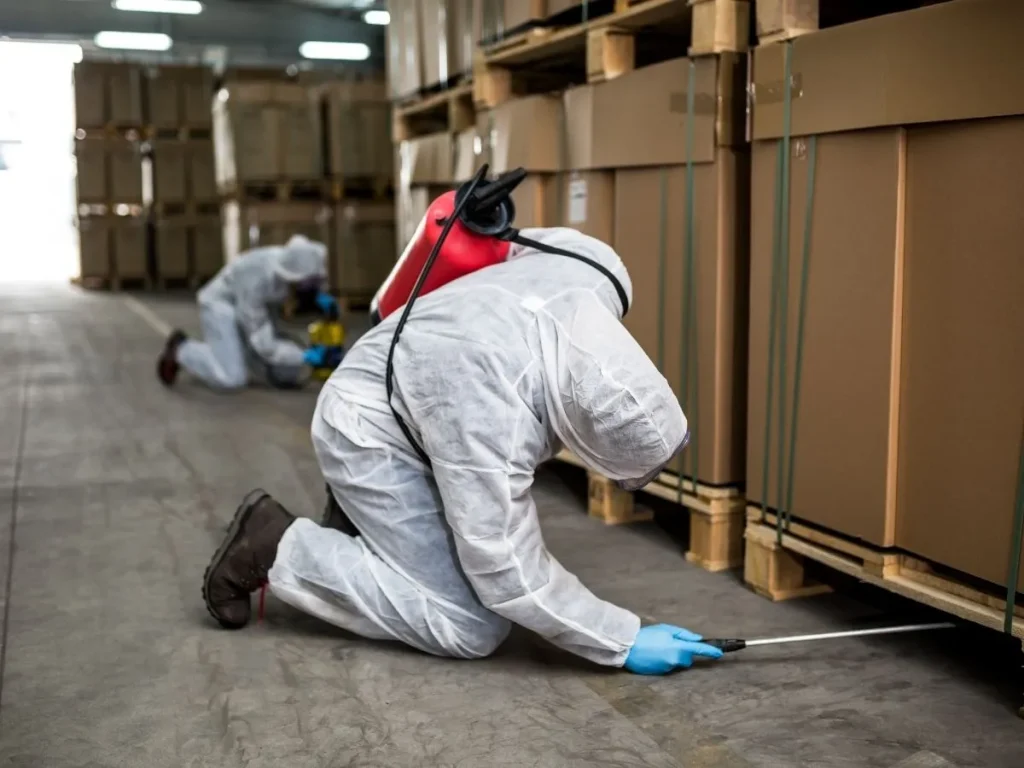
Pest problems can create serious challenges for businesses of all sizes. Whether it is rodents in a warehouse, ants in an office building, or flies in a restaurant, pest activity can impact operations, damage property, and harm a company’s reputation. For many business owners and property managers, one of the most common questions is how much professional pest control will cost. Understanding what influences pricing can help businesses plan effectively and avoid unexpected expenses.
When evaluating commercial pest control services, it is important to understand that costs vary depending on several factors. The type of business, the size of the property, the pest issue involved, and the level of ongoing protection required all contribute to the overall investment. While some businesses only require occasional treatments, others benefit from regular pest management programs that provide year round protection. Taking a proactive approach often helps reduce long term costs and minimizes the risk of major infestations. At TAG Pest Control, we help businesses understand their pest management needs so they can make informed budgeting decisions.
Many business owners view pest control as a maintenance expense, but it is also an investment in risk management. Pests can cause significant disruptions that affect productivity, customer satisfaction, and regulatory compliance. A single rodent sighting in a restaurant or a pest infestation in a warehouse can create problems that extend far beyond the immediate treatment costs. Businesses that invest in prevention often avoid much larger expenses later.
Commercial properties face unique pest challenges because they often provide ideal conditions for pests to thrive. Food sources, storage areas, employee break rooms, waste collection sites, and shipping operations can all attract unwanted pests. Once pests become established, they can spread quickly throughout a facility. Regular pest management helps identify issues early before they become larger and more expensive problems. This proactive approach provides greater protection for employees, customers, and business assets.
There is no universal cost for commercial pest control because every business has different needs. Pest control professionals evaluate several factors before recommending a treatment plan. Understanding these variables can help businesses better estimate what they may need to budget for professional services.
The type of business plays a major role in determining pest control requirements. Different industries face different pest risks and often require specialized treatment strategies. Businesses that handle food, accommodate guests, or store large quantities of inventory typically require more frequent inspections and monitoring than standard office environments.
For example, businesses that rely on commercial pest control for hotels and restaurants often require comprehensive pest management programs because of strict health and safety standards. Even a minor pest issue can impact customer trust and potentially lead to regulatory concerns. As a result, these businesses often prioritize preventative services that help reduce risks before problems develop. The level of monitoring and service frequency can influence overall costs.
The size of the facility directly affects treatment requirements. Larger properties require more inspection time, more treatment materials, and more extensive monitoring compared to smaller buildings. A small retail store may have very different pest management needs than a large manufacturing facility or distribution centre.
Properties with multiple floors, storage areas, loading docks, kitchens, and outdoor spaces often require broader coverage. Larger facilities may also have more potential entry points and hiding places for pests. Because of these factors, larger properties generally require a greater investment in pest control services. Professional assessments help determine the level of service necessary for each facility.
The type of pest involved significantly impacts treatment complexity and cost. Some pests are relatively straightforward to manage, while others require specialized equipment, monitoring programs, and multiple visits. Rodents, cockroaches, ants, flies, birds, and stored product pests each present different challenges for commercial environments.
Businesses dealing with rodent activity may benefit from professional rodent control services that include inspections, monitoring stations, exclusion recommendations, and ongoing management. Rodents can contaminate products, damage property, and create health concerns. Because they often travel through hidden areas of commercial buildings, effective control requires a comprehensive strategy. The severity of the infestation influences the level of treatment required.
The extent of the pest problem is another major pricing factor. A small issue discovered early is typically easier and less expensive to address than a widespread infestation. When pests have had time to establish themselves throughout a facility, treatment becomes more complex and may require additional visits.
Businesses that delay treatment often face larger infestations and higher costs. Pest populations can grow quickly when food, water, and shelter are readily available. Early detection allows technicians to address problems before they spread to multiple areas of the property. This is one reason why routine inspections are often recommended for commercial facilities.
Different industries face unique pest risks that influence treatment requirements and budgeting considerations. Understanding these differences can help businesses choose the most appropriate pest management strategy.
Restaurants, cafes, bakeries, and food production facilities are particularly vulnerable to pest activity. Food preparation areas, waste disposal systems, and storage spaces can attract rodents, flies, ants, and cockroaches. Maintaining a pest free environment is essential for protecting customer health and complying with regulations.
Regular inspections and preventative treatments are often necessary to reduce risks. Businesses that handle food typically benefit from ongoing service plans rather than reactive treatments. Consistent monitoring helps identify issues before they affect operations or customer experiences. Investing in prevention often costs less than dealing with a major infestation.
Warehouses and industrial facilities often contain large storage areas that provide shelter for rodents and other pests. High inventory volumes, shipping activities, and loading docks can increase exposure to pest activity. These facilities frequently require monitoring programs designed to protect products and infrastructure.
Professional pest control for warehouses and industrial facilities focuses on identifying vulnerabilities, monitoring activity, and implementing preventative measures. Large facilities may require multiple monitoring stations and regular inspections throughout the year. The size and complexity of the operation can influence overall service costs. Effective pest management helps protect inventory and maintain operational efficiency.
Apartment buildings, condominiums, and multi unit properties often face unique pest control challenges. Shared walls, common areas, waste collection sites, and multiple residents can increase the risk of pest activity spreading throughout the property. Coordinating treatment across multiple units may also require additional planning.
Professional pest control for property management and stratas helps property managers address pest issues efficiently while protecting residents and maintaining property value. Preventative programs are often recommended because they reduce the likelihood of recurring infestations. Long term pest management can help minimize disruption and support resident satisfaction. Regular inspections are an important component of these programs.
Many businesses only seek pest control services after a problem becomes visible. While reactive treatment is sometimes necessary, prevention is often more cost effective in the long run. Preventative programs focus on identifying risks before infestations develop. This approach can reduce treatment costs and minimize operational disruptions.
Preventative pest control may include:
Businesses that invest in prevention often experience fewer pest related issues and greater peace of mind. Preventative strategies also support compliance with industry standards and regulations.
Some business owners attempt to manage pest issues using retail products or in house maintenance teams. While these efforts may provide temporary relief, they often fail to address the underlying causes of infestations. Commercial environments typically require more comprehensive solutions than residential properties because of their size and complexity.
Improper treatment can also create additional risks. Certain products may be unsuitable for food handling environments or sensitive operational areas. Misapplication can lead to ineffective results and prolonged infestations. Professional pest control providers understand industry requirements and apply treatments safely and appropriately. This expertise helps businesses avoid unnecessary complications.
When creating an annual budget, businesses should consider pest control as part of their ongoing facility maintenance strategy. The exact amount allocated will depend on the size of the property, the type of business, and historical pest activity. Facilities with higher pest risks may require more frequent service visits and monitoring programs.
Rather than focusing solely on treatment costs, businesses should also consider the potential costs of pest related disruptions. Lost inventory, damaged equipment, regulatory issues, and reputational harm can quickly exceed the cost of preventative pest management. Planning ahead allows businesses to allocate resources effectively and maintain a safe environment throughout the year. A proactive approach often delivers the greatest long term value.
Every business has unique pest management needs, which is why professional assessments are important. During an inspection, technicians evaluate the facility, identify vulnerabilities, assess current pest activity, and recommend appropriate solutions. This information helps create a customized treatment plan based on the specific requirements of the business.
Companies interested in understanding potential costs can use our online Pest Control Cost Estimator for a preliminary estimate. This tool provides helpful information that can support budgeting and planning decisions. While a site inspection may still be necessary, the estimator offers a useful starting point. Understanding costs in advance allows businesses to make more informed decisions.
Early detection plays a critical role in controlling pest related expenses. The sooner a pest issue is identified, the easier it is to address before it spreads throughout the property. Employees should be encouraged to report signs of pest activity as soon as they are observed. This allows businesses to take action before a small issue becomes a larger problem.
If you are unsure what type of pest may be present, our online Pest Identifier Tool can help provide additional insight. Accurate identification supports faster treatment decisions and more effective pest management strategies. Businesses that act quickly often experience better outcomes and lower overall costs. Timely intervention remains one of the most effective ways to control expenses.
Selecting the right pest control company involves more than comparing prices. Businesses should evaluate experience, industry knowledge, responsiveness, and the ability to provide customized solutions. Every commercial property has different requirements, and effective pest management depends on understanding those unique challenges.
At TAG Pest Control, we work closely with businesses to develop practical and effective pest management plans. Our team understands the importance of protecting employees, customers, inventory, and property assets. We focus on delivering solutions that address both current pest issues and future prevention. If you would like to discuss your facility’s needs, visit our Contact Us page to speak with our team. We are here to help businesses make informed pest control decisions.
Understanding the factors that affect commercial pest control services costs can help businesses budget more effectively and protect their operations. Property size, pest type, infestation severity, industry requirements, and ongoing monitoring all influence the level of service required. While costs vary from one business to another, preventative pest management is often the most cost effective strategy over time. Investing in professional pest control helps reduce risks, maintain compliance, and protect business reputations.