Signs You Need Professional Pest Control in Your Langley Home
January 19, 2026
At TAG Pest Control, we often speak with homeowners who wonder if their pest problem is serious enough to call…
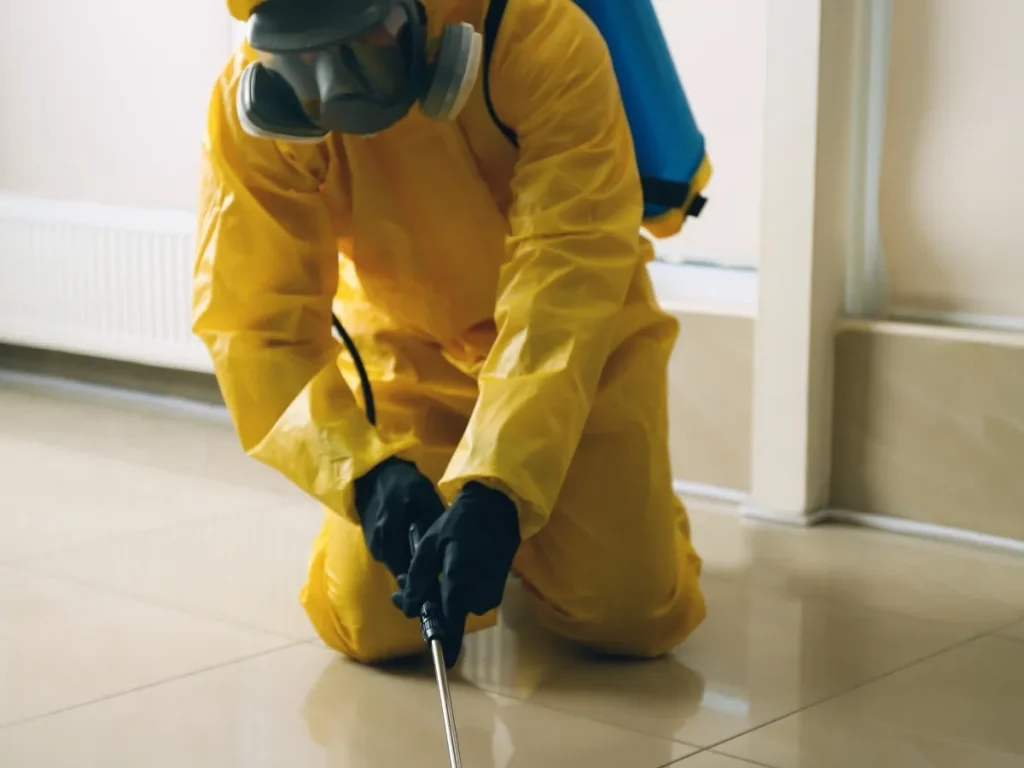
When dealing with a sudden pest infestation, the first step is to stay calm and act quickly. Identify the type of pest if possible and assess the extent of the problem. Look for common signs such as droppings, damage, unusual smells, or visible nests. Once you have a basic understanding, remove any immediate attractants by cleaning up food sources, sealing garbage, and eliminating standing water. These quick actions can help slow the spread while you plan the next steps.
Next, focus on containing the issue and blocking further access. Seal cracks, gaps, and entry points around doors, windows, and utility lines to prevent more pests from entering. Isolate affected areas if possible, and avoid moving contaminated items to other parts of the home, as this can spread the infestation. Using basic traps or safe over-the-counter solutions may help reduce activity temporarily, but they are often not enough to fully resolve the problem.
The most effective way to handle a sudden infestation is to involve professional pest control as soon as possible. Experts can accurately identify the source, apply targeted treatments, and ensure the infestation is completely eliminated. They also provide guidance on preventing future issues, such as improving sanitation, repairing structural vulnerabilities, and scheduling routine inspections. Acting promptly with a combination of immediate action and professional support can protect your home, reduce stress, and restore a safe, pest-free environment.
Sudden pest infestations often seem to appear without warning, but they are usually triggered by specific environmental or situational changes. Factors such as shifting weather conditions, nearby construction, or the introduction of new food sources can quickly attract pests to an area. For instance, heavy rainfall can flood natural habitats and force pests indoors in search of dry shelter, while warmer temperatures can increase their activity levels and accelerate reproduction cycles, leading to rapid population growth.
Small changes within a home or building can also create opportunities for pests to thrive. Issues like leaking pipes, poor food storage, or unnoticed crumbs can provide both the moisture and nourishment pests need to survive. Once these conditions are present, pests can establish themselves quickly and spread before they are detected. Recognizing these underlying causes allows for faster response and more effective prevention, helping to reduce the likelihood of recurring infestations.
When faced with a sudden pest infestation, it is important to remain calm and approach the situation with a clear mind. Acting out of panic can lead to ineffective or even counterproductive decisions that may worsen the problem. Taking a moment to pause allows you to think logically and respond in a more controlled and strategic way, which is essential for proper pest management.
Carefully assessing the situation is the next crucial step. Look for clear signs of pest activity, such as droppings, gnaw marks, nests, or the presence of live pests, and try to determine where the infestation is most concentrated. Understanding the extent and location of the problem will guide your next actions, whether that involves immediate containment measures or contacting professional pest control services. A thorough assessment ensures that any response is targeted and effective.
Identifying the type of pest is a crucial first step in effective pest control, as different pests have distinct behaviors, habitats, and treatment methods. For example, rodents may require trapping and exclusion techniques, while ants and cockroaches often need targeted chemical or bait treatments. Bed bugs, on the other hand, demand specialized approaches due to their ability to hide in small crevices and spread easily. Without proper identification, control efforts may be ineffective or only provide temporary relief.
To determine the type of pest, it is important to observe key characteristics such as size, shape, color, and where the pests are commonly found. Additional signs like droppings, damage to materials, nesting areas, or unusual odors can also provide helpful clues. Careful observation can narrow down the possibilities, but if there is any uncertainty, seeking a professional inspection is recommended. Experts can accurately identify the pest and suggest the most appropriate and efficient treatment plan.
Once you understand the situation, focus on containing the infestation. The goal is to stop pests from spreading to other areas of your home. Close off affected areas if possible and avoid moving items that could carry pests to new locations. For example, avoid transferring furniture or storage boxes until the issue is under control. Limiting movement helps reduce the spread and makes treatment more effective.
Removing access to food and water is one of the most effective ways to control and prevent pest infestations. Pests rely on these basic resources to survive, and even small amounts of crumbs, spills, or standing water can sustain their activity. By eliminating these attractants, you make the environment far less hospitable, which can help reduce pest presence and slow their ability to reproduce and spread.
Simple but consistent actions can make a significant difference. Cleaning up food residue promptly, storing items in tightly sealed containers, and maintaining a dry environment by fixing leaks or reducing excess moisture all contribute to a less inviting space for pests. While these steps may not eliminate an existing infestation entirely, they play a crucial role in supporting other control measures and preventing the problem from worsening.
Cleaning and sanitizing affected areas is a key step in controlling a sudden pest infestation, as it helps remove the conditions that allow pests to thrive. Accumulated waste, food residue, and nesting materials provide both shelter and nourishment, so eliminating these elements can significantly reduce pest activity. Thorough cleaning also disrupts the environment pests rely on, making it less attractive for them to remain or return.
It is important to use proper cleaning techniques to avoid spreading contaminants or exposing yourself to potential health risks. Depending on the severity of the infestation, protective gear such as gloves or masks may be necessary, especially when dealing with droppings or contaminated surfaces. Sanitizing the area after cleaning further ensures that harmful bacteria and allergens are minimized, creating a safer and more hygienic environment while supporting long-term pest control efforts.
Sealing entry points is a critical step in preventing pests from entering and spreading within a property. Many pests can squeeze through surprisingly small gaps, making it important to thoroughly inspect common access areas such as doors, windows, wall cracks, and the building’s foundation. Openings around utility lines, pipes, and vents are especially vulnerable and often overlooked, yet they provide easy pathways for pests to get inside.
By properly sealing these gaps using appropriate materials like caulk, weather stripping, or mesh covers, you can significantly reduce the chances of new pests entering the space. This not only helps contain an existing infestation but also strengthens your overall prevention strategy. Taking the time to secure these entry points creates a physical barrier that supports other pest control efforts and contributes to a more protected and pest-resistant environment.
While some do it yourself methods can provide temporary relief, they may not fully eliminate the problem. Many pests hide in places that are difficult to reach, such as inside walls or under flooring. Incomplete treatment can allow the infestation to return. This is why professional services are often the most effective solution. At TAG Pest Control, we use proven methods to address both visible and hidden pest activity. You can learn more about our approach through our pest control services.
If the infestation is spreading quickly or not improving, it is time to call a professional. Some pests, such as bed bugs or rodents, can be especially difficult to eliminate without expert help. Professional pest control ensures that the issue is handled thoroughly and safely. It also provides long term solutions to prevent future infestations. If you are in the area, our Langley pest control team is ready to respond quickly and effectively.
Preventing future infestations requires a consistent and proactive approach that addresses the conditions pests rely on to survive. After eliminating an existing problem, it is important to maintain cleanliness and organization throughout the space, as clutter and leftover food can quickly attract pests again. Regularly sealing entry points such as cracks, gaps, and openings around doors, windows, and pipes helps block common access routes, reducing the likelihood of pests re-entering the area.
In addition to structural maintenance, proper waste management and routine inspections play a key role in long-term prevention. Ensuring that garbage is stored securely and disposed of promptly removes a major food source, while scheduled inspections help identify early warning signs before they develop into larger issues. By consistently applying these practices, you create an environment that is less inviting to pests and easier to manage, supporting a cleaner, safer, and pest-free space over time.
Acting quickly is one of the most important factors in effective pest control. When pests are first detected, their numbers are often still manageable, making it easier to contain and eliminate the problem. Delaying action allows pests more time to reproduce, spread to new areas, and cause greater damage to property, food supplies, and overall hygiene. What might begin as a minor issue can quickly escalate into a more serious and costly infestation if not addressed promptly.
Taking immediate and appropriate steps helps limit the impact and restores control more efficiently. This may include identifying the source of the problem, removing attractants, sealing entry points, and seeking professional assistance if necessary. A swift response not only reduces the severity of the infestation but also minimizes disruption and long-term risks. Being proactive and decisive ensures that your home remains protected and that pest issues are resolved before they become overwhelming.
Handling a sudden pest infestation can feel overwhelming, but with a clear plan, it is manageable. By identifying the problem, removing attractants, and taking quick action, you can limit damage and restore comfort to your home. At TAG Pest Control, we are here to help you respond quickly and effectively when pest problems arise. If you need expert support and reliable solutions, reach out through our contact page today. Let us help you take control and keep your home safe, clean, and pest free.