Signs You Need Professional Pest Control in Your Langley Home
January 19, 2026
At TAG Pest Control, we often speak with homeowners who wonder if their pest problem is serious enough to call…
Effective pest control in commercial warehouses starts with maintaining a clean and organized environment. Cluttered storage areas, spilled goods, and unmanaged waste create ideal conditions for pests to thrive. Regular cleaning schedules, proper waste disposal, and keeping aisles clear can significantly reduce hiding spots and food sources. It is also important to store products on pallets and away from walls to allow for better inspection and to prevent pests from nesting undetected.
Another critical step is sealing entry points and maintaining the building’s structure. Warehouses often have large doors, loading docks, and ventilation systems that can become easy access points for rodents and insects. Installing door sweeps, repairing cracks in walls and foundations, and ensuring windows and vents are properly screened can help keep pests out. Routine inspections of the facility’s exterior and interior can identify vulnerabilities early, allowing you to address them before they lead to infestations.
Finally, implementing a proactive pest management plan is essential for long-term protection. This includes working with a professional pest control provider to conduct regular inspections, monitoring pest activity, and applying preventive treatments when necessary. Staff training also plays a key role, as employees should be able to recognize early signs of pest activity and follow proper sanitation practices. By combining prevention, maintenance, and professional support, warehouses can minimize risks and maintain a safe, compliant environment.
Warehouses are particularly vulnerable to pests due to their size, structure, and constant flow of goods. Frequent deliveries and shipments mean doors are often open, creating easy entry points for pests such as rodents, insects, and birds. Additionally, items being transported can unknowingly introduce pests into the facility, allowing infestations to begin without immediate detection. The presence of food products, organic materials, or even packaging like cardboard further increases the risk, as these can serve as both nourishment and shelter for pests.
The large and often complex layout of warehouses also makes pest management more challenging. High shelving, hidden corners, and low-traffic areas provide ideal conditions for pests to hide, nest, and reproduce without being noticed. Because early signs of infestation can easily go undetected, problems may escalate before action is taken. For this reason, effective warehouse pest control requires a proactive and well-structured approach, including regular inspections, proper sanitation, and preventive measures to minimize entry points and eliminate potential attractants.
Understanding the types of pests that commonly affect warehouses helps you stay prepared. Each pest brings different risks that can impact your business operations. Rodents such as mice and rats are among the most common warehouse pests. They can damage goods, chew through packaging, and contaminate products.
Insects like cockroaches, ants, and stored product pests can also cause problems. These pests are often attracted to food items or organic materials. Birds may enter warehouses through open doors or damaged structures, creating mess and health concerns. Knowing these risks supports better warehouse pest control planning.
Receiving areas are a critical control point in preventing pest infestations, as they serve as the primary gateway for goods entering a facility. Shipments can unknowingly carry pests such as insects or rodents, especially if they originate from infested storage or transport conditions. Without proper inspection, these pests can be introduced directly into the warehouse environment. Carefully examining deliveries for warning signs like droppings, gnaw marks, damaged packaging, or visible insects helps identify potential problems before they spread.
Maintaining cleanliness and organization in receiving areas further reduces the risk of infestation by eliminating places where pests can hide or find food. Debris, waste materials, and unused packaging should be removed promptly, while pallets and shipments should not be left idle for extended periods. A well-managed receiving space limits opportunities for pests to establish themselves and supports early detection if issues arise. Consistent sanitation and vigilance in these areas are essential components of an effective warehouse pest control strategy.
Preventing pests from entering your warehouse is one of the most important steps you can take. Even small openings can allow pests to get inside. Inspect doors, windows, vents, and loading docks regularly. Repair any gaps or cracks as soon as they are found. Install door sweeps and ensure doors close properly. Consider using air curtains or screens to reduce pest entry in high traffic areas. Sealing entry points strengthens your warehouse pest control efforts and reduces the risk of infestations.
How you store goods plays a major role in preventing pests. Poor storage practices can make it easier for pests to access and hide within your inventory. Keep products elevated off the floor and away from walls. This allows for better inspection and cleaning. Use sturdy, sealed containers when possible, especially for food products. Rotate stock regularly to prevent items from sitting too long. Organized storage supports strong warehouse pest control and helps protect your inventory from damage.
Waste management is a critical part of pest prevention in warehouses. Garbage and debris can quickly attract pests if not handled properly. Dispose of waste regularly and use sealed containers. Clean waste areas often to remove any food residue or spills. Ensure that dumpsters are placed away from the building and kept closed at all times. This reduces the chances of pests entering your facility. Good sanitation practices are essential for maintaining effective warehouse pest control.
Professional inspections provide an extra layer of protection for your warehouse. Experts can identify early signs of pest activity and recommend solutions. At TAG Pest Control, we offer customized solutions through our pest control services to meet the needs of commercial facilities. Our team understands the challenges of warehouse environments. If your business is located nearby, our Langley pest control specialists are ready to assist. Regular inspections help you stay ahead of potential problems. Including inspections in your warehouse pest control plan ensures long term success.
Training staff on pest awareness is a vital component of any effective pest control strategy, as employees are often the first to notice early signs of infestation. By educating team members on what to look for, such as droppings, unusual odors, damaged materials, or live pests, organizations can detect problems at an early stage. Prompt reporting ensures that issues are addressed quickly before they escalate into larger infestations that are more difficult and costly to manage.
In addition to identification, staff should be given clear guidelines on maintaining cleanliness, proper waste disposal, and safe storage practices. Encouraging employees to keep their work areas clean and organized reduces the likelihood of attracting pests and limits potential hiding spots. When everyone understands their role and takes responsibility, it creates a proactive environment where prevention is prioritized. This collective effort strengthens the overall pest management system and helps maintain a safe and hygienic warehouse.
Acting quickly when pests are detected is essential to preventing a minor issue from becoming a major infestation. Delays give pests time to reproduce, spread to new areas, and cause greater damage to goods, equipment, and the facility itself. Early action helps contain the problem, reducing both the cost and complexity of treatment. Identifying the affected area and restricting access can also help prevent pests from spreading further within the warehouse.
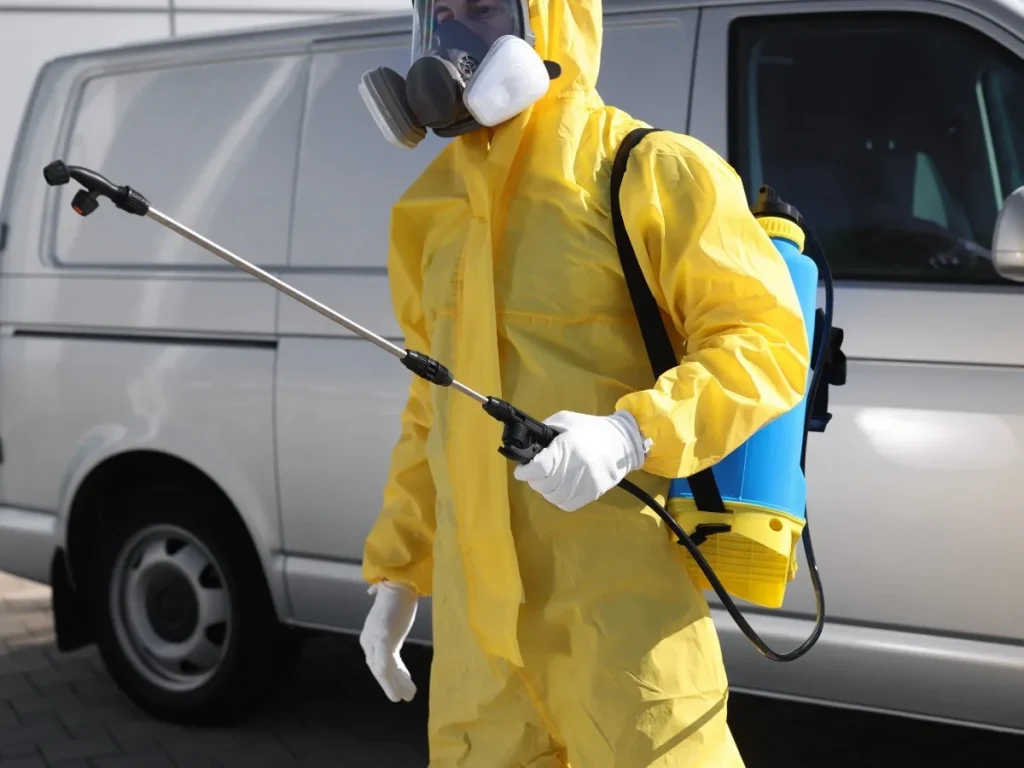
Engaging professional pest control services ensures the issue is handled safely and effectively, using appropriate methods tailored to the specific pest and environment. Keeping detailed records of pest sightings, treatments, and outcomes is equally important, as it helps identify recurring patterns and areas of vulnerability. This information allows for continuous improvement of pest management strategies, making future prevention efforts more effective. A fast and organized response ultimately plays a critical role in protecting warehouse operations and maintaining business standards.
Building a long-term pest prevention plan is essential for maintaining a clean, safe, and efficient warehouse environment. Rather than reacting to problems as they arise, a proactive approach focuses on preventing infestations before they start. This includes scheduling routine inspections, implementing strict sanitation practices, and ensuring that all areas of the warehouse are regularly monitored. Consistent cleaning, proper waste disposal, and sealing potential entry points can significantly reduce the likelihood of pests gaining access or finding suitable conditions to thrive.
An effective prevention plan should also be flexible and regularly reviewed to address changing conditions. Seasonal shifts, new inventory types, or structural changes to the facility can all introduce new risks that require adjustments in strategy. By keeping detailed records and evaluating the success of existing measures, warehouse managers can refine their approach over time. Consistency and adaptability work together to create a strong defense against pests, ensuring the warehouse remains protected and operations continue without disruption.
Pest control is a critical part of managing a commercial warehouse. By staying proactive and following best practices, you can prevent infestations and protect your operations. Effective warehouse pest control helps safeguard your inventory, maintain compliance, and create a safe working environment. Every step you take today supports long term success. At TAG Pest Control, we are committed to helping businesses stay protected with reliable and professional solutions. When you are ready to strengthen your pest control plan, reach out through our contact page and let our team help you keep your warehouse clean, secure, and pest free.