DIY Pest Control vs Professional Services in Langley
February 9, 2026
At TAG Pest Control, many homeowners and business owners ask us about DIY pest control vs professional services in Langley.…
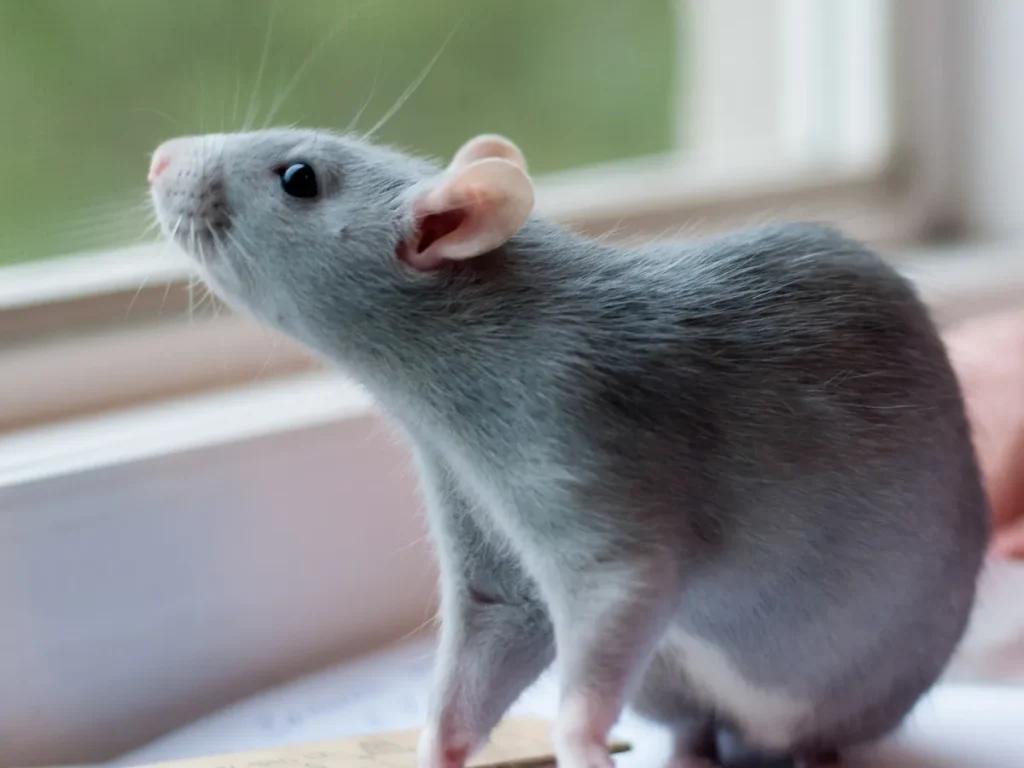
Renovations often expose hidden areas of a home, which can unintentionally create new opportunities for pests to enter and settle. Open walls, disturbed insulation, and newly installed systems may leave small gaps or cracks that are easy to overlook once construction is complete. These openings can serve as entry points for insects and rodents searching for food and shelter. Taking the time to carefully inspect the property after renovations and seal any visible gaps around windows, doors, pipes, and vents is an essential first step in preventing infestations.
Another important factor is proper cleanup after the renovation work is finished. Construction debris, dust, and leftover materials can attract pests by providing both shelter and food sources. Even small scraps or packaging materials left behind in hidden areas can become nesting spots. Ensuring that all work areas, including basements, crawl spaces, and attics, are thoroughly cleaned and cleared helps eliminate these risks. Proper waste disposal and maintaining a clutter-free environment make the home far less appealing to unwanted pests.
Ongoing maintenance and monitoring are key to keeping your home protected in the long term. After renovations, it is a good idea to schedule a professional inspection to identify any potential vulnerabilities that may have been missed. Regularly checking for signs of pest activity, maintaining dry and well-ventilated spaces, and addressing minor issues quickly can prevent larger problems from developing. By combining thorough post-renovation inspections with consistent upkeep, homeowners can enjoy their upgraded space without the added stress of pest infestations.
Pest activity often increases after renovations because construction work disrupts areas where pests may already be living. Opening walls, ceilings, and floors can expose hidden nests or pathways, forcing pests to relocate to more visible parts of the home. This sudden movement can make it seem like a new infestation has appeared, when in reality, the pests were already present but undetected. The noise, vibration, and structural changes caused by renovation work can also drive pests to seek quieter, more stable areas indoors.
Renovations can also unintentionally create new opportunities for pests to enter and settle. Small gaps or cracks around pipes, wiring, vents, and newly installed fixtures may not always be fully sealed, providing easy access points. Additionally, leftover construction materials, dust, and debris can act as temporary shelter or even food sources for certain pests. If these materials are not promptly removed and the space is not properly cleaned, they can attract insects and rodents. Addressing these factors early helps reduce the likelihood of pest problems following renovation work.
One of the most important steps in preventing pests after renovations is sealing any new openings. Renovation work can leave behind small gaps that were not there before. Homeowners should inspect areas where walls, floors, or ceilings were modified. Pay close attention to spaces around pipes, electrical wiring, and vents. These areas often contain small openings that pests can use. Sealing these gaps with proper materials can prevent pests from entering the home. Regular inspections after renovations help ensure that no entry points are left unaddressed.
Construction debris can attract pests if it is left inside or around the home. Dust, wood scraps, and packaging materials may provide hiding places for insects and rodents. Removing these materials is an important part of preventing pests after renovations. After renovation work is complete, thoroughly clean all affected areas. Vacuum dust, wipe surfaces, and remove leftover materials. This reduces the chances of pests settling in newly renovated spaces. Outdoor cleanup is also important. Dispose of debris and building materials away from the home to prevent pests from gathering nearby.
Renovations provide a valuable opportunity to inspect areas of the home that are usually hidden, such as wall cavities, subfloors, and ceiling spaces. These areas can often harbor signs of existing pest activity that would otherwise go unnoticed. By taking the time to thoroughly check these spaces during construction, homeowners and contractors can identify issues early and prevent them from developing into larger infestations. This proactive approach is especially important, as once these areas are sealed again, addressing hidden pest problems becomes far more difficult and costly.
Key indicators to watch for include droppings, nesting materials, chewed wiring or wood, and any visible damage that suggests pest presence. Identifying these signs allows for immediate action, such as cleaning, treatment, or sealing affected areas before the renovation is completed. Addressing pest activity at this stage helps stop pests from spreading into newly finished spaces and ensures that the improvements made to the home are not compromised. Early intervention during renovations is one of the most effective ways to maintain a pest-free environment moving forward.
Storing materials properly during renovations is an important step in preventing pest problems from developing. Construction materials such as wood, insulation, and packaging can easily attract pests if they are left exposed, especially in areas that are damp or undisturbed. These materials can provide both shelter and nesting opportunities for insects and rodents. By keeping items elevated off the floor and covering them when possible, you reduce the chances of pests settling in during the renovation process.
Maintaining an organized workspace also makes it easier to monitor for early signs of pest activity. Cluttered areas can hide droppings, damage, or nesting materials, allowing problems to go unnoticed until they become more serious. Keeping materials neatly arranged and stored in dry, well-ventilated areas helps limit hiding spots and supports better overall site management. Taking these simple precautions during renovations can go a long way in preventing pest issues once the project is complete.
Moisture problems can develop during renovations, especially if plumbing or structural changes are involved. Damp conditions can attract insects and rodents looking for water sources. Managing moisture is essential for preventing pests after renovations. Check for leaks or condensation in newly renovated areas. Fix any issues promptly to prevent moisture buildup. Proper ventilation can also help reduce humidity levels in the home. Keeping the environment dry makes it less appealing for pests to settle in newly updated spaces.
After renovations are complete, ongoing monitoring is essential to ensure that pest issues do not develop unnoticed. Construction work can sometimes create new entry points or disturb hidden areas, making it easier for pests to find their way inside. By staying alert to early warning signs such as droppings, scratching sounds within walls, chewed materials, unusual odors, or increased insect activity, you can catch problems before they escalate into full infestations. These subtle indicators often appear before pests become visibly widespread.
Taking action at the first sign of activity is key to effective control. Addressing issues early allows for quicker, more targeted solutions that are typically less costly and less disruptive. Regular checks of cupboards, corners, and less frequently used spaces can help maintain a pest-free environment. If any signs persist or worsen, involving a professional ensures the problem is properly identified and resolved, preventing further spread and protecting your home after renovation work is complete.
Maintaining clean living spaces after renovations is essential for preventing pests from settling in. Construction projects often leave behind dust, debris, and leftover materials that can attract insects and rodents if not properly cleaned. These remnants can provide both food sources and hiding places, especially in areas like kitchens, storage spaces, and newly renovated rooms. A thorough post-renovation cleaning helps remove these attractants and reduces the likelihood of pests finding a reason to stay.
Ongoing cleanliness is just as important as the initial cleanup. Regularly wiping surfaces, disposing of waste, and keeping areas organized helps eliminate the conditions pests need to survive. Paying close attention to high-risk areas ensures that any potential issues are addressed early. By maintaining a clean and well-kept environment, you create a space that is far less inviting to pests, supporting long-term protection and a healthier home.
Sometimes pest problems appear even after preventive steps are taken. Hidden infestations may become active after renovations disturb their nesting areas. In these cases, professional pest control services are often needed. Pest control technicians can inspect the home, identify the source of the problem, and apply treatments that eliminate pests safely. Professional support is especially important for preventing recurring issues with pests after renovations.
At TAG Pest Control, we provide reliable pest management solutions designed to protect homes after construction work. Our experienced team inspects properties carefully and applies targeted treatments to prevent infestations. You can learn more about our trusted pest control services and how we help homeowners maintain pest free homes.
Homes in Langley may experience pest activity following renovations due to environmental conditions and seasonal changes. Rodents and insects often take advantage of new openings created during construction. Our team understands the pest challenges that homeowners face in this region. We provide effective pest control solutions designed to eliminate pests and prevent them from returning. If you are concerned about pest activity after a renovation, our Langley pest control specialists are ready to help with dependable services.
Preventing pests after renovations requires attention to detail and ongoing maintenance. Sealing entry points, cleaning debris, controlling moisture, and monitoring for signs of pest activity can greatly reduce the risk of infestations. While these steps help protect your home, professional pest control may be needed if pests are already present. Expert technicians can identify hidden problems and provide solutions that keep your home safe.
If you want to protect your newly renovated space from pests, taking action early is the best approach. Our team is ready to help you maintain a clean and comfortable home. You can easily contact our team to schedule an inspection. At TAG Pest Control, we are committed to helping homeowners enjoy their renovated spaces without the worry of pest problems, using reliable and effective pest management solutions.