Signs You Need Professional Pest Control in Your Langley Home
January 19, 2026
At TAG Pest Control, we often speak with homeowners who wonder if their pest problem is serious enough to call…
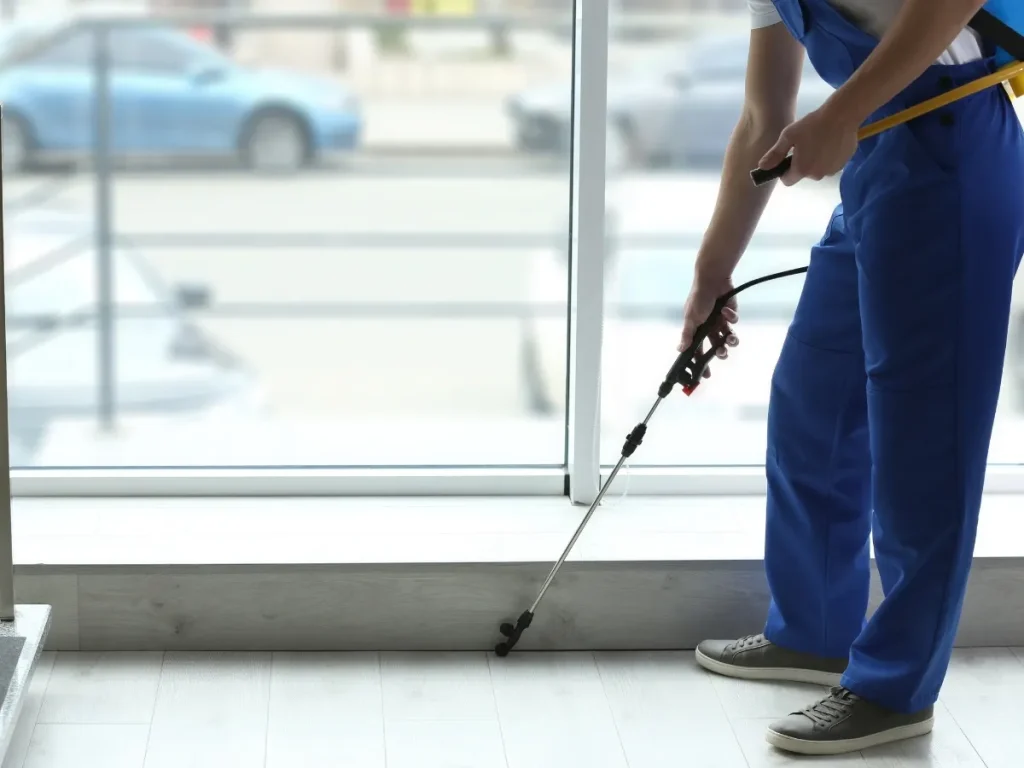
Managing pest control in multi-unit buildings requires a level of coordination and consistency that goes beyond what is typically needed in single-family homes. Because units share walls, plumbing systems, and common areas, pests can easily travel from one space to another without being immediately detected. This means that treating a single unit in isolation is often not enough. A building-wide strategy that includes regular inspections, preventative maintenance, and clear communication is essential to stop infestations from spreading and recurring.
One of the most important elements of an effective plan is collaboration between property managers, maintenance teams, and residents. Tenants should be informed about proper sanitation practices, how to store food securely, and the importance of reporting pest sightings early. At the same time, management should ensure that common areas such as hallways, trash rooms, and shared facilities are kept clean and well-maintained. Routine inspections of these spaces, along with individual units when necessary, help identify potential issues before they escalate into larger problems affecting multiple residents.
Professional pest control services play a critical role in maintaining long-term results in multi-unit properties. Experienced exterminators can develop customized treatment plans that address the unique layout and risk factors of the building. This may include sealing entry points, applying targeted treatments, and scheduling ongoing monitoring visits. Consistent documentation and follow-up ensure that any recurring issues are quickly addressed. By taking a proactive, building-wide approach, property managers can protect their investment while creating a healthier and more comfortable living environment for all residents.
Multi-unit buildings are at higher risk for pest infestations because they naturally provide abundant food, water, and shelter across multiple living spaces. With several kitchens, waste disposal areas, and shared facilities, pests have more opportunities to find what they need to survive. This makes consistent and well-coordinated pest control essential, as a single source of food or moisture can attract pests that quickly spread throughout the building.
Another key challenge is how easily pests can move between units. Rodents, cockroaches, and ants often travel through wall cavities, ceilings, and utility lines, allowing infestations to spread even if individual units are well maintained. Shared spaces such as hallways, laundry rooms, and garbage areas can also become hotspots if not properly cleaned and monitored. Because of these interconnected risks, effective pest control in multi-unit buildings requires a building-wide approach to prevent isolated issues from turning into widespread problems.
Understanding the types of pests commonly found in these environments helps guide effective multi unit pest control strategies. Different pests require different prevention and treatment methods. Common pests in multi unit buildings include:
Rodents often enter through basements or exterior openings and move between units. Cockroaches and ants are usually drawn to food and moisture in kitchens and bathrooms. Bed bugs may spread through furniture or personal belongings. Each of these pests can spread quickly if not addressed early.
Sealing entry points is a fundamental step in effective multi-unit pest control, as even the smallest gaps can allow pests to enter and spread throughout a building. Cracks in walls, gaps around windows and doors, and openings near pipes or vents are common access points that often go unnoticed. Once inside, pests can easily move between units through shared walls, ceilings, and utility lines, making the problem more difficult to contain. Regular inspections of both exterior and interior areas help identify these vulnerabilities early, allowing property managers to take prompt action.
Maintaining the structural integrity of the building plays a crucial role in long-term pest prevention. Sealing openings with appropriate materials, repairing damaged fixtures, and ensuring that doors and windows close properly can significantly reduce pest access. These small but consistent maintenance efforts not only help prevent infestations but also limit the spread of pests if they do appear. By prioritizing these preventative measures, property managers can create a more secure and comfortable living environment for all residents.
Maintaining clean common areas is essential for preventing pests in multi-unit buildings. Shared spaces such as hallways, laundry rooms, storage areas, garbage rooms, and parking garages can quickly become attractive to pests if not properly maintained. Food debris, moisture, and clutter create ideal conditions for insects and rodents to thrive. When these areas are neglected, they can act as central hubs where pests gather and then spread to individual units, making infestations more difficult to control.
Regular cleaning and organization play a key role in reducing these risks. Removing trash, eliminating spills, and keeping spaces clutter-free not only limits food sources but also reduces hiding spots for pests. Clean, well-maintained areas also make it easier to detect early signs of activity, allowing for quicker intervention before problems escalate. By prioritizing sanitation in shared spaces, property managers can significantly strengthen their overall pest control efforts and create a healthier living environment for all residents.
Garbage management is especially important in multi unit buildings. Food waste can quickly attract rodents and insects if not handled properly. Strong waste management supports effective multi unit pest control. Garbage bins should have tight fitting lids and be emptied regularly. Outdoor dumpsters should also be kept clean to prevent pests from gathering near the building. Residents should be encouraged to dispose of garbage properly and avoid leaving waste in hallways or shared spaces. Clear guidelines can help maintain consistent waste management practices.
Successful multi unit pest control depends on cooperation between property managers and residents. Even if the building is well maintained, poor habits in one unit can attract pests. Educating residents about pest prevention is essential. Simple habits such as proper food storage, regular cleaning, and reporting pest sightings can make a big difference. Residents should be encouraged to:
Routine inspections are a critical part of effective multi unit pest control. Regular monitoring helps detect pest activity early before it spreads. Property managers should schedule inspections of common areas, mechanical rooms, and individual units when possible. These inspections can reveal signs such as droppings, nests, or entry points. Early detection allows pest problems to be addressed quickly. This reduces the risk of infestations spreading throughout the building.
Addressing pest problems quickly is critical in multi-unit buildings, where infestations can spread rapidly from one unit to another. When early signs of pest activity are noticed, delaying treatment gives pests more time to multiply and move through walls, ceilings, and shared systems. What may begin as a small issue in one unit can quickly escalate into a building-wide problem if not handled promptly. Acting early helps contain the situation and reduces the overall impact on residents and property.
Effective treatment in these settings often requires a coordinated approach rather than focusing on a single unit. Because pests can travel between spaces, nearby units and shared areas may also need to be inspected and treated to fully eliminate the infestation. Professional pest control services are especially valuable in these situations, as they can assess the extent of the problem and implement a comprehensive plan. This ensures that the root cause is addressed, preventing recurring issues and maintaining a healthier environment throughout the building.
Managing pest control in multi unit buildings requires experience and expertise. Professional pest control technicians understand how pests move through shared spaces and structures. At TAG Pest Control, we provide comprehensive multi unit pest control solutions designed for apartments, condos, and shared housing. Our team inspects buildings carefully, identifies pest activity, and applies targeted treatments that prevent infestations from spreading. You can learn more about our trusted pest control services and how we help protect multi unit properties.
Multi unit buildings in Langley may experience pest activity due to seasonal changes and surrounding environments. Rodents and insects often seek shelter indoors during colder months or periods of high activity. Our team understands the unique pest challenges that affect buildings in this area. We provide reliable pest control solutions designed to protect residents and maintain safe living conditions. If you need support managing pest issues, our Langley pest control specialists are ready to assist with professional services.
Implementing strong multi unit pest control strategies is essential for maintaining a safe and comfortable living environment. Sealing entry points, maintaining cleanliness, managing waste, and encouraging resident cooperation all contribute to effective pest prevention. While these steps help reduce pest risks, professional pest control is often needed to address infestations and provide long term protection.
Expert technicians can identify hidden issues and apply solutions that keep pests away. If you want to protect your building and residents from pest problems, taking action early is the best approach. Our team is ready to help you maintain a pest free environment. You can easily contact our team to schedule an inspection. At TAG Pest Control, we are proud to provide dependable pest management solutions that help keep multi unit buildings clean, safe, and protected year round.