Signs You Need Professional Pest Control in Your Langley Home
January 19, 2026
At TAG Pest Control, we often speak with homeowners who wonder if their pest problem is serious enough to call…
Protecting your home from outdoor pests begins with creating an environment that is less attractive to them. Many pests are drawn to food sources, standing water, and dense vegetation. Homeowners can reduce these attractants by keeping lawns trimmed, removing fallen fruit or debris, and storing trash securely. Eliminating stagnant water in birdbaths, gutters, or containers also helps prevent mosquitoes and other water-loving insects from breeding near the home. By addressing these factors, you make your property less hospitable to pests before they have a chance to explore entry points.
Another key aspect of outdoor pest prevention is sealing potential access points to your home. Cracks in the foundation, gaps around windows and doors, and openings around utility lines can all serve as gateways for insects and rodents. Installing door sweeps, weather stripping, and fine mesh over vents or drainage pipes can prevent pests from moving inside. Landscaping choices can also play a role; keeping shrubs and tree branches trimmed away from the house reduces hiding spots and minimizes direct pathways into the home.
Regular monitoring and maintenance are crucial for sustained outdoor pest control. Homeowners should inspect the perimeter of their property for signs of pest activity, such as droppings, burrows, or chewed plant material. If necessary, professional pest control services can provide targeted treatments or guidance for long-term prevention. By combining habitat management, physical barriers, and ongoing vigilance, you can significantly reduce the likelihood of pests entering your home and enjoy a cleaner, safer outdoor environment.
Outdoor pest prevention is a crucial part of overall home protection because it addresses infestations before they reach the interior. While many homeowners focus solely on indoor pests, exterior environments often serve as the initial point of entry. Gardens, garbage bins, and areas with standing water provide essential resources such as food, water, and shelter, attracting insects and rodents that may eventually move closer to the home in search of more secure nesting sites.
By proactively managing outdoor conditions, homeowners can significantly reduce the likelihood of pests entering the house. Removing food sources, eliminating standing water, and minimizing hiding spots limits the resources that pests rely on to survive. This approach not only helps prevent infestations inside the home but also reduces the overall pest population in the surrounding area, creating a safer and more comfortable living environment.
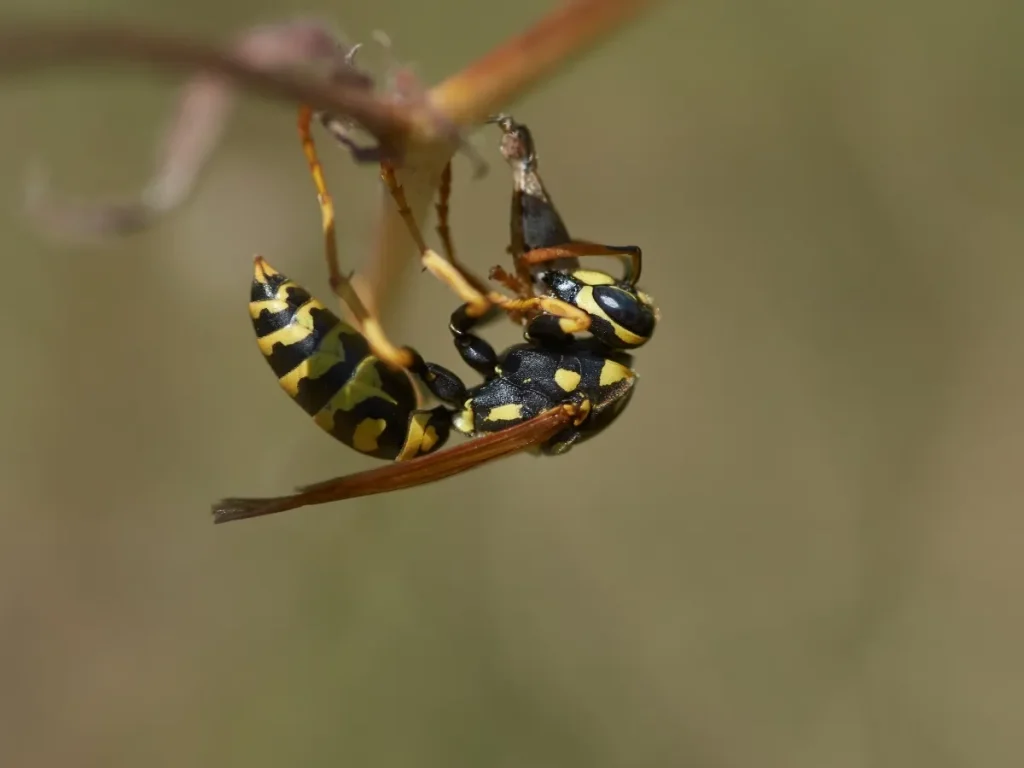
Many pests spend much of their time outdoors but can become household nuisances if given the opportunity to enter. Common outdoor pests include ants, wasps and hornets, mosquitoes, rodents such as mice and rats, spiders, and cockroaches. These creatures often inhabit soil, gardens, woodpiles, and areas beneath outdoor structures, taking advantage of shelter and food sources that exist near homes. Understanding which pests are prevalent in the surrounding environment is the first step in preventing them from migrating indoors.
Without proper outdoor pest prevention, these species can find their way into homes through small cracks, gaps, or openings around doors and windows. Taking proactive measures, such as keeping outdoor areas clean, trimming vegetation, and securing food sources, can significantly reduce the risk of pests moving inside. By managing the outdoor environment, homeowners not only protect their property but also minimize the potential for infestations that can cause damage or health concerns.
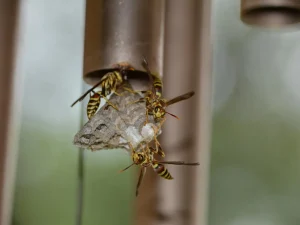
Outdoor pest activity often begins subtly, with small indicators that can alert homeowners before a full-blown infestation develops. Observing ant trails along sidewalks or walls, wasp nests on roofs or eaves, or rodent burrows near the foundation are clear signs that pests are present and actively establishing themselves around the property. Increased insect activity near outdoor lights and damage to plants or garden areas can also signal that pests are affecting the home’s surroundings. Recognizing these early warning signs is crucial for timely intervention.
Noticing even minor evidence of pests should prompt a review of outdoor prevention strategies. Addressing these issues early, through measures such as maintaining clean outdoor spaces, trimming vegetation, removing standing water, and sealing potential entry points, can prevent pests from moving indoors and causing greater problems. Proactive monitoring and management of the outdoor environment help maintain a safer, healthier property while reducing the likelihood of costly pest control challenges in the future.
Maintaining a pest resistant outdoor environment requires regular care and attention. Simple habits can make your property far less attractive to pests. Below are several effective outdoor pest prevention tips.
Yard maintenance is an important part of outdoor pest prevention. Overgrown grass and shrubs can provide shelter for insects and rodents. Keeping lawns trimmed and shrubs well maintained helps eliminate hiding spots. Regular yard work also makes it easier to spot pest activity early. Removing piles of leaves or debris is also helpful, as these areas can attract pests looking for shelter.
Standing water attracts many pests, especially mosquitoes. Even small amounts of water can become breeding sites for insects. Homeowners should regularly check for water collecting in buckets, plant trays, gutters, or outdoor containers. Emptying or draining these areas can reduce mosquito activity. Proper drainage around the yard is another important part of outdoor pest prevention.
Outdoor garbage bins often attract pests searching for food. Rodents, ants, and flies are particularly drawn to food waste. Garbage containers should always have tight fitting lids. Cleaning bins occasionally can also help remove odours that attract pests. Placing bins a short distance away from the house can further reduce pest activity near entry points.
Tree branches and shrubs that touch the home can act as bridges for pests. Insects and rodents may use these pathways to reach roofs, windows, or siding. Trimming branches away from the home reduces these access points. It also improves airflow and visibility around the property. This simple step plays an important role in outdoor pest prevention.
Even if pests live outdoors, they still need entry points to reach the inside of the home. Small cracks and gaps around the exterior can allow pests to enter. Inspect the foundation, windows, doors, and siding for openings. Sealing these gaps with caulking or weather stripping helps block pests from entering. Door sweeps and window screens also help prevent insects from slipping indoors.
Gardens can become magnets for pests when proper care and maintenance are neglected. Fruits, vegetables, and flowers provide abundant food sources that attract insects and rodents, potentially bringing them closer to the home. To reduce this risk, it is important to maintain healthy plants, promptly remove damaged or overripe produce, and clear away garden waste. These steps limit the resources that draw pests and help prevent infestations from developing in and around the garden.
In addition to removing attractants, proper garden design can play a role in pest prevention. Adequate spacing between plants improves airflow, making the environment less hospitable for insects and reducing the likelihood of disease. Maintaining well-organized garden beds not only promotes plant health but also discourages pests from establishing nests or hiding spots. By combining regular maintenance with thoughtful garden planning, homeowners can protect both their plants and their homes from unwanted pest activity.
Outdoor lighting can unintentionally attract insects, which in turn may increase the risk of pests entering your home. Bright white or cool-toned lights, such as those commonly used for porches, garages, and decorative purposes, are particularly appealing to moths, beetles, and other flying insects. Once insects congregate near doors or windows, they create opportunities for predators or secondary pests to follow them inside.
Simple adjustments to lighting can help minimize this problem. Switching to warm-colored bulbs reduces insect attraction, while motion sensor lights ensure that areas are only illuminated when necessary, limiting the time insects are drawn to the home. By strategically managing outdoor lighting, homeowners can decrease the number of insects near entry points, supporting broader outdoor pest prevention efforts and reducing the likelihood of indoor infestations.
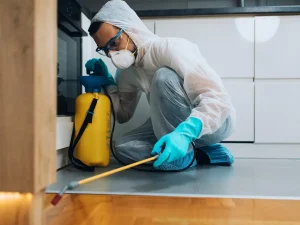
While many outdoor pest prevention steps can be done by homeowners, some infestations require professional attention. Large nests, rodent populations, or persistent insect problems may need specialized treatment. Professional pest control technicians inspect properties to identify pest habitats and entry points. Treatments are applied strategically to reduce pest populations while protecting the home.
At TAG Pest Control, our team focuses on both pest removal and prevention. We help homeowners eliminate current infestations while identifying outdoor conditions that may attract pests. You can learn more about our solutions by visiting our pest control services page. Homeowners in the region can also benefit from our specialized Langley pest control services.
Effective long-term outdoor pest prevention requires consistent effort and attention throughout the year. Regular inspections of the yard help homeowners identify early signs of pest activity before infestations can develop. Maintaining landscaping, trimming vegetation, and removing debris reduce shelter and hiding places for pests, while proper moisture management and drainage around the home limit conditions that attract insects and rodents. Keeping garbage bins sealed and clean further minimizes food sources that could draw pests closer to the property.
In addition to routine maintenance, scheduling periodic professional pest inspections provides an extra layer of protection. These inspections can identify potential problem areas that may be overlooked and allow for proactive measures to be taken. By consistently implementing these long-term strategies, homeowners can create an outdoor environment that is less hospitable to pests, reducing the likelihood of infestations and maintaining a safer, healthier property over time.
Preventing pests outside the home is one of the most effective ways to avoid indoor infestations. With proper outdoor pest prevention, homeowners can reduce pest activity before it becomes a serious problem. Maintaining yards, eliminating standing water, and sealing entry points all help create a barrier between pests and your home. These simple steps make it much harder for insects and rodents to move indoors.
If outdoor pests are becoming difficult to manage, professional assistance can provide reliable solutions. At TAG Pest Control, our experienced team helps homeowners protect their properties with effective pest management strategies. If you want to safeguard your home from outdoor pests, feel free to contact our team today and take the first step toward a pest free home.