How to Prevent Rodent Infestations in Langley Properties
May 6, 2026
Rodent prevention starts with understanding how mice and rats enter a property in the first place. In Langley, the mix…
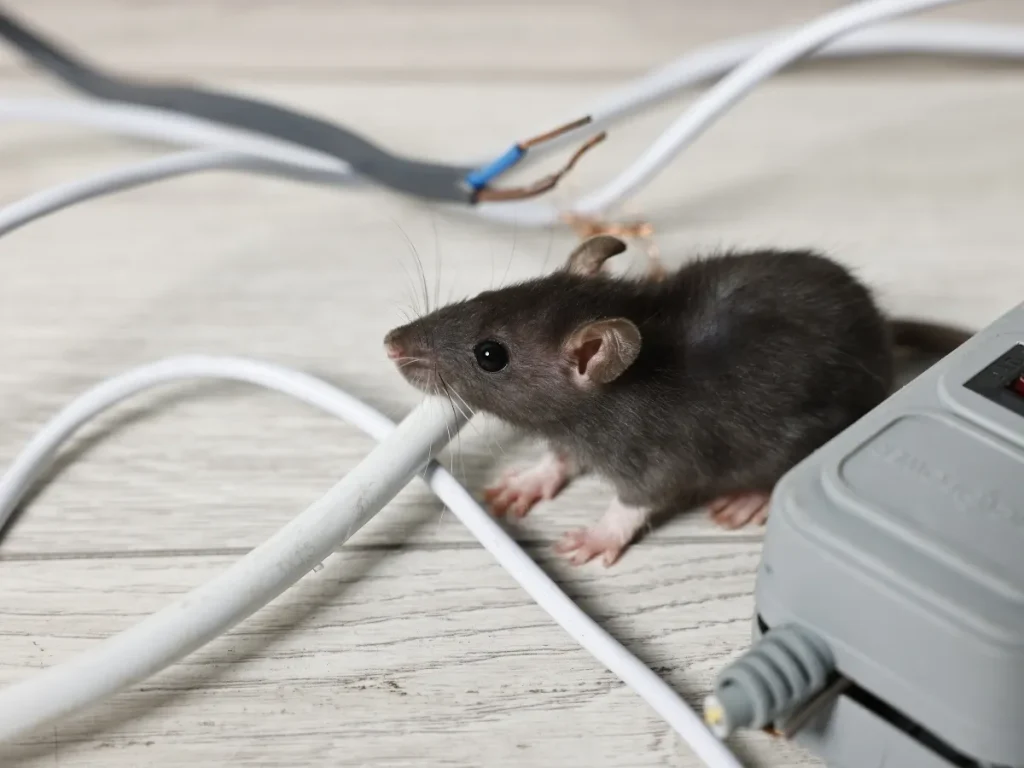
Rodent odors can linger long after an infestation has been resolved, especially if the source of the smell is not fully removed. These odors often come from droppings, urine, nesting materials, or even a dead rodent hidden in walls or hard to reach areas. The first step in effective rodent odor removal is locating and eliminating the source. This may involve removing contaminated materials such as insulation, cleaning affected surfaces, and safely disposing of any remains. Without addressing the root cause, the smell is likely to persist no matter how much cleaning is done.
Once the source has been removed, thorough cleaning and disinfection are essential. Surfaces should be cleaned with appropriate disinfectants that can break down odor causing bacteria rather than simply masking the smell. Porous materials such as wood, fabric, or drywall may absorb odors and require deeper cleaning or replacement if the contamination is severe. Proper ventilation also helps reduce lingering smells by allowing fresh air to circulate throughout the home. In some cases, odor neutralizing products or air purifiers may be used to improve indoor air quality.
Preventing future odors is just as important as removing existing ones. Sealing entry points and addressing conditions that attract rodents can help stop new infestations from occurring. Regular inspections of attics, basements, and hidden areas can help detect early signs of rodent activity before odors develop. Professional pest control services can also assist with both removal and cleanup to ensure the problem is handled completely. At TAG Pest Control, we help homeowners eliminate rodent odors at the source and implement prevention strategies to keep homes clean and comfortable.
Rodent odors are often very strong and persistent because of the chemical makeup of their waste. Urine from rodents contains ammonia and other compounds that produce a sharp, unpleasant smell. As rodents continue to use the same areas for nesting and movement, the buildup of urine increases, causing the odor to intensify over time. Because these smells can soak into surfaces such as wood, drywall, and insulation, they can linger long after the rodents are no longer visible.
In addition to urine, droppings and nesting materials also contribute to the overall odor. Rodents commonly use materials like paper, fabric, and insulation to build nests, and these materials can absorb waste and odors, making the smell more concentrated. In some situations, a strong odor may indicate a dead rodent hidden within walls, ceilings, or other inaccessible areas. This can make rodent odor removal more difficult, as the source of the smell may be hard to locate and eliminate completely.
Before beginning rodent odor removal, it is important to confirm that the smell is actually caused by rodent activity. Rodent-related odors are often distinct and may be accompanied by other clear signs throughout the home. A strong ammonia-like smell is one of the most common indicators, as it comes from rodent urine. In addition, homeowners may notice small, dark droppings in areas such as kitchens, basements, or along walls where rodents tend to travel. These signs, combined with unusual odors, can strongly suggest that rodents have been present.
Other indicators can help confirm rodent activity as the source of the smell. Scratching or movement sounds inside walls, ceilings, or floors often point to rodents nesting or traveling through hidden spaces. Greasy marks or smudge trails along baseboards and walls may appear as rodents repeatedly use the same pathways. Homeowners might also find nesting materials such as shredded paper, fabric, or insulation in secluded areas. When these signs appear alongside persistent unpleasant odors, it is likely that rodents have been active in the home and that further action may be needed to address the issue.
Locating the source of a rodent odour is the most important step in resolving the problem effectively. Simply cleaning visible areas or using air fresheners will not eliminate the smell if the underlying source remains. Rodent odours are often caused by droppings, urine, nesting materials, or even deceased rodents hidden in hard-to-reach areas. These smells can linger and spread through the home, especially if they are located within enclosed spaces. Identifying where the odour is strongest can help narrow down the location and guide a more focused inspection.
Common areas to check include behind appliances, inside cabinets or cupboards, and in basements or crawl spaces where rodents tend to hide. Attics and insulation are also frequent nesting locations, as well as spaces inside walls or ceilings where rodents can move unnoticed. In some cases, the source may not be immediately visible and may require careful and thorough inspection to uncover. Following the scent to its strongest point often leads to hidden droppings or nesting materials. Removing the source is essential for fully eliminating the odour and preventing it from returning.
Once the source is identified, contaminated materials should be removed carefully. Rodent droppings and nesting materials may contain bacteria and should be handled with caution. Wear protective gloves and, if possible, a mask when cleaning affected areas. Avoid sweeping or vacuuming dry droppings, as this can release particles into the air. Instead, lightly spray the area with a disinfectant solution before cleaning. This helps reduce the risk of spreading bacteria. Dispose of contaminated materials in sealed plastic bags to prevent further odours from spreading.
After removing the source of the odour, a thorough cleaning of the affected area is necessary to fully eliminate lingering smells. Rodent urine and waste can penetrate surfaces and continue to produce odours if not properly treated. Using a disinfectant cleaner or a solution designed to break down organic material helps neutralize these residues rather than simply masking the smell. It is important to clean all nearby surfaces, including floors, walls, baseboards, and any areas where rodents may have traveled or nested.
Special attention should be given to porous materials, as they can absorb odours more deeply. Carpets, upholstery, and insulation may retain smells even after surface cleaning and may require more intensive treatment. In cases where contamination is severe, replacing these materials may be the most effective solution. Cleaning should be repeated as needed until the odour is significantly reduced or eliminated, ensuring that no remaining residue continues to cause unpleasant smells in the home.
Sometimes basic cleaning is not enough to eliminate stubborn rodent smells. Odour neutralizing products can help break down the chemicals causing the smell. Enzyme based cleaners are especially useful for rodent odor removal. These products target organic waste and help eliminate the odour instead of simply masking it. Activated charcoal, baking soda, or air purifiers may also help absorb lingering smells. These solutions improve indoor air quality while the cleaning process continues. Proper ventilation is also important. Opening windows and increasing airflow helps remove odours from the home.
If the smell remains strong even after cleaning, a dead rodent may be present in a hidden location. Dead rodents produce a powerful odour as they decompose. These smells often appear suddenly and become very strong over several days. The odour may be strongest near walls, ceilings, or vents. Locating and removing the dead animal is essential for successful rodent odor removal. If the rodent cannot be reached easily, professional pest control services may be needed.
After addressing rodent odours, focusing on prevention is essential to ensure the problem does not return. Rodents are likely to revisit areas where they previously found food, shelter, and easy access, so eliminating these conditions is key. Sealing cracks and gaps around the foundation, walls, and utility entry points helps block the pathways rodents commonly use to enter the home. Proper food storage is also important, as accessible food sources can quickly attract rodents back into the space.
Maintaining a clean and organized environment further reduces the chances of reinfestation. Removing clutter limits hiding and nesting areas, while keeping garbage containers tightly closed prevents rodents from being drawn to food waste. Addressing moisture problems, such as leaks or damp areas, also helps make the home less appealing to pests. Regular inspections of both the interior and exterior of the home allow homeowners to identify and fix new vulnerabilities early. By consistently following these preventive steps, it becomes much easier to maintain a rodent-free environment.
In some cases, rodent problems are larger than they first appear. Hidden nests, difficult to reach areas, or persistent odours may require professional help. At TAG Pest Control, our technicians inspect homes carefully to locate rodent activity and contamination areas. We use proven techniques to eliminate rodents and assist with rodent odor removal.
Our team also helps homeowners identify conditions that may attract rodents in the future. Addressing these issues helps prevent repeat infestations. Homeowners can learn more about our full range of solutions on our pest control services page. If you are experiencing rodent problems locally, our Langley pest control team understands the challenges homeowners face in the region. Local expertise allows us to provide faster and more effective solutions.
Improving indoor air quality is an important final step after dealing with a rodent issue, even once the odours have begun to fade. Tiny particles from droppings, urine, and nesting materials can remain in the air and on surfaces, affecting overall air quality. Using air purifiers with HEPA filters can help capture these remaining particles and improve the freshness of the indoor environment. Proper ventilation, such as opening windows when possible, can also help circulate clean air and reduce any lingering smells.
It is also helpful to check and replace HVAC filters, as ventilation systems can trap odour-causing particles and redistribute them throughout the home. In some situations, especially if the infestation was extensive, professional duct cleaning may be recommended to fully remove contaminants from the system. Taking these additional steps helps ensure that the home not only smells clean but also feels healthier and more comfortable after rodent odor removal is complete.
Rodent infestations can leave behind unpleasant smells that linger long after the pests are gone. Droppings, urine, nesting materials, and dead rodents all contribute to these strong odours. Proper rodent odor removal involves locating the source, removing contaminated materials, and thoroughly cleaning affected areas. Using odour neutralizing products and improving ventilation can further help restore your home’s freshness.
Most importantly, preventing rodents from returning is key to avoiding future odour problems. If rodent smells persist or you suspect hidden infestations, professional assistance can provide reliable solutions. At TAG Pest Control, we help homeowners eliminate rodents and restore clean, comfortable living spaces. If you need expert support, visit our contact page and let our experienced team help keep your home safe, fresh, and pest free.