Signs You Need Professional Pest Control in Your Langley Home
January 19, 2026
At TAG Pest Control, we often speak with homeowners who wonder if their pest problem is serious enough to call…
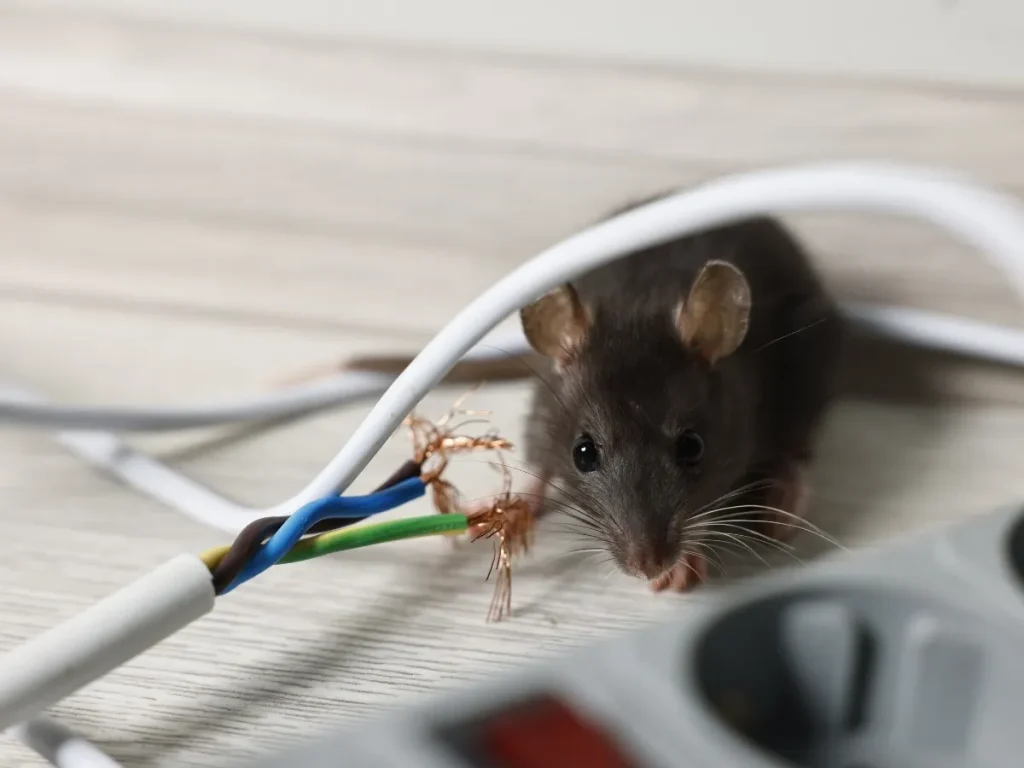
As fall approaches and temperatures begin to drop, many pests start searching for warm and sheltered places to survive the colder months. Homes provide ideal protection from harsh weather, making them attractive to insects and rodents looking for a safe place to stay. Mice, spiders, and certain insects often attempt to enter through small openings around windows, doors, and foundations. Once inside, these pests may settle in hidden areas such as basements, attics, and wall spaces. Taking preventive steps during the fall can help stop pests before they find their way indoors.
One of the most effective fall pest prevention strategies is sealing potential entry points around the home. Even very small gaps can allow pests to enter, especially rodents that can squeeze through narrow spaces. Homeowners should inspect areas around doors, windows, vents, and utility openings for cracks or gaps that may need sealing. Installing weather stripping, repairing damaged screens, and using caulk to close openings can help block access. These simple maintenance steps create a stronger barrier that makes it harder for pests to enter and settle inside.
Maintaining a clean and well organized property also helps reduce pest activity during the fall season. Leaves, woodpiles, and outdoor debris can provide hiding places for pests close to the home. Removing clutter and keeping vegetation trimmed away from the foundation can make the area less appealing to insects and rodents. Indoors, storing food properly and maintaining clean kitchen and storage areas helps remove the resources pests depend on. At TAG Pest Control, we encourage homeowners to take these preventive measures early in the season to reduce pest risks and maintain a comfortable home throughout the colder months.
Pests often become more active in the fall because changing outdoor conditions make survival more difficult. As temperatures begin to drop, many insects and rodents start searching for warmer places where they can shelter during the colder months. Homes provide an attractive environment because they offer stable temperatures and protection from harsh weather. During this time, pests may attempt to enter through small cracks, gaps around doors and windows, or openings near utility lines in order to reach these protected indoor spaces.
Once pests gain access to a home, they may settle in areas that provide both shelter and resources. Kitchens often offer food sources, while basements, attics, and storage areas provide quiet places where pests can hide and build nests. These locations allow pests to remain unnoticed for long periods, which can lead to growing populations inside the home. For this reason, fall pest prevention focuses on sealing potential entry points and reducing conditions that attract pests. Taking these steps before winter arrives helps limit the chances of pests establishing themselves indoors.
As temperatures begin to drop during the fall season, many pests become more active as they search for warm shelter and reliable food sources. This seasonal change often drives insects and rodents to move indoors, where conditions are more stable. Mice and rats are among the most common fall pests because they seek warmth and nesting areas inside walls, attics, and basements. Spiders may also appear more frequently indoors during this time as they follow other insects that serve as their food source. In addition, pests such as ants, cockroaches, wasps, and stink bugs may attempt to enter homes to escape cooler outdoor temperatures.
These pests often find their way inside through small structural openings that homeowners may not notice. Cracks in foundations, gaps around windows and doors, and openings near utility lines can all serve as entry points. Even slightly open doors or damaged window screens can allow pests to enter. Once inside, many of these pests may remain hidden in sheltered areas such as wall voids, storage spaces, or crawl spaces throughout the colder months. Recognizing which pests are common during the fall season and understanding how they enter homes can help homeowners identify potential problems early and take preventive steps before infestations develop.
Pests often leave noticeable signs when they begin entering a home, and recognizing these clues early can help prevent a larger infestation from developing. One common indicator is scratching or movement sounds coming from inside walls, ceilings, or attic spaces, which may suggest the presence of rodents searching for nesting areas. Small droppings found in cupboards, basements, or along baseboards can also signal pest activity. In some cases, homeowners may notice insects gathering near windows or doors, which may indicate that pests are attempting to enter through small gaps or openings around these areas.
Other warning signs include chewed food packaging, damaged wires, or gnaw marks on household materials, which are often associated with rodents searching for food or nesting materials. The appearance of spider webs forming in corners or undisturbed spaces can also suggest increased insect activity inside the home, since spiders often settle where prey is available. When these signs appear, it may indicate that pests are beginning to move indoors as the weather changes. Reviewing and strengthening fall pest prevention measures at this stage can help address entry points and reduce the chances of the problem becoming more serious.
Preparing your home for fall can greatly reduce the chances of pest infestations. Simple maintenance and cleaning habits can make your home less appealing to pests. Below are several effective fall pest prevention tips that homeowners should consider.
One of the most important fall pest prevention steps is sealing openings where pests can enter. Even tiny cracks can allow insects and rodents inside. Check areas around windows, doors, pipes, and vents. Caulking cracks and repairing damaged weather stripping can help block entry points. Garage doors should also be inspected for gaps along the bottom. Installing door sweeps can prevent pests from slipping underneath.
Food is one of the main reasons pests enter homes. Kitchens that contain crumbs, spills, or uncovered food may quickly attract insects and rodents. Cleaning countertops, sweeping floors, and wiping down surfaces regularly can reduce these food sources. Garbage bins should be emptied often and kept tightly sealed. Storing food in airtight containers also prevents pests from accessing easy meals.
Your yard plays a major role in fall pest prevention. Overgrown vegetation and clutter near the home can create hiding spots for pests. Trim shrubs and tree branches so they do not touch the exterior walls. Pests can use these as bridges to reach your home. It is also helpful to remove piles of leaves, wood, or debris near the foundation. These areas provide ideal shelter for many pests.
Moisture attracts many pests, including ants, cockroaches, and rodents. During fall, rain and cooler temperatures can increase moisture levels around homes. Inspect gutters and downspouts to ensure water flows away from the foundation. Fix any leaking pipes or outdoor faucets promptly. Using a dehumidifier in damp basements can also help maintain a dry environment that pests do not prefer.
Firewood is often stored outside during the fall and winter months. However, it can easily become a shelter for insects and rodents. To support fall pest prevention, keep firewood stacks at least several feet away from the house. This reduces the chance of pests moving from the wood pile into your home. When bringing firewood indoors, only bring in the amount needed for immediate use.
Preparing the exterior of your home for fall is an important step in preventing pests from moving indoors as temperatures begin to drop. The outside structure of the house acts as the first barrier that protects the interior from insects and rodents seeking warmth and shelter. Conducting regular inspections around the property can help homeowners identify potential vulnerabilities before pests take advantage of them. Walking around the home and carefully examining areas such as siding, vents, and the foundation can reveal damage, cracks, or gaps that may allow pests to enter.
Repairing these structural issues can greatly improve fall pest prevention by eliminating common entry points. Loose vents should be secured, damaged siding repaired, and any visible cracks in the foundation sealed to block access. Outdoor lighting is another factor that can influence pest activity near the home. Many insects are naturally attracted to bright lights at night, which may draw them closer to doors and windows. Switching to warm-colored bulbs or installing motion-activated lighting can help reduce the number of insects gathering near entryways, making it less likely that they will find their way inside.
Rodents are one of the most common pests homeowners encounter during fall. As outdoor food sources become scarce, mice and rats begin searching for warm indoor environments. Rodents can squeeze through surprisingly small openings. A gap the size of a coin may be enough for a mouse to enter. Once inside, rodents can damage insulation, chew wires, and contaminate food. Because of this, fall pest prevention strategies should always include checking for rodent entry points.
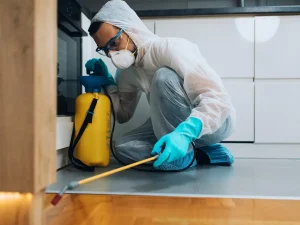
While many prevention steps can be done by homeowners, some pest problems require professional help. If pests have already entered the home, removing them safely may require specialized treatment. At TAG Pest Control, our technicians inspect homes carefully to identify pest activity and potential entry points. We create treatment plans that address both the infestation and the conditions that allowed it to occur. Homeowners can learn more about our solutions by visiting our pest control services page. Residents dealing with seasonal pest activity can also benefit from our dedicated Langley pest control services designed for local pest challenges.
Taking preventive steps during the fall season can provide lasting protection against pest problems that often occur during the colder months. As outdoor temperatures drop, many pests search for warm and sheltered places to survive the winter. If homes are properly prepared and entry points are sealed, pests are less likely to gain access and will be forced to look elsewhere for shelter. Addressing potential vulnerabilities in the fall can therefore reduce the chances of dealing with infestations during winter and early spring when pests may remain hidden inside walls, attics, or basements.
Consistent maintenance practices also play an important role in long-term pest prevention. Regular inspections of the home, sealing cracks and gaps, and maintaining a clean environment help remove the conditions that attract pests in the first place. These efforts not only reduce pest activity but can also help prevent structural damage that certain pests, such as rodents or termites, may cause over time. By focusing on fall pest prevention, homeowners can create a stronger barrier against pests and gain peace of mind knowing their property is better protected throughout the colder seasons.
Fall is the perfect time to strengthen your home’s defences against pests. As insects and rodents search for warmth, proactive fall pest prevention can make all the difference. Small improvements such as sealing cracks, managing moisture, and maintaining outdoor areas can greatly reduce the risk of infestations.
If pests have already appeared or you want expert guidance on protecting your home, professional support can help. The experienced team at TAG Pest Control provides reliable inspections and treatments designed to keep homes pest free. If you would like assistance preparing your home for the season, feel free to contact our team today and take the first step toward a safer and more comfortable home.