Signs You Need Professional Pest Control in Your Langley Home
January 19, 2026
At TAG Pest Control, we often speak with homeowners who wonder if their pest problem is serious enough to call…
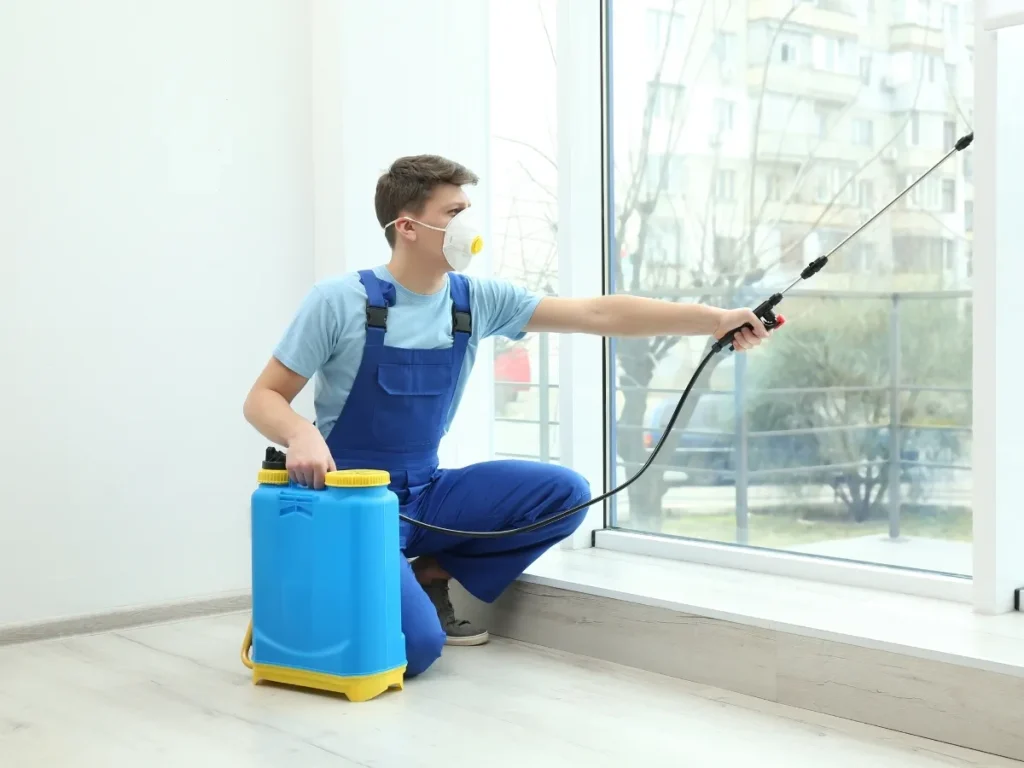
Spring is a time when many pests become active after the colder winter months. As temperatures rise, insects such as ants, spiders, and flies begin searching for food and water sources. Rodents that spent the winter hidden indoors may also start moving around more frequently. Homes provide the warmth, shelter, and resources these pests need to survive and reproduce. Because of this increase in activity, spring is an important time for homeowners to focus on prevention before pests have the chance to establish themselves inside.
One of the most effective spring pest control tips is to inspect the home for potential entry points. Small cracks around windows, doors, foundations, and utility openings can allow pests to enter easily. Sealing these gaps with caulk, weather stripping, or other materials can help block their access. Homeowners should also check window screens, door sweeps, and vents to ensure they are intact and properly fitted. Addressing these structural vulnerabilities early in the season helps create a protective barrier against pests.
Maintaining a clean and well maintained property also plays an important role in spring pest prevention. Removing debris, trimming vegetation away from the home, and properly storing garbage can reduce areas where pests may hide or find food. Inside the home, regularly cleaning kitchens, storing food in sealed containers, and fixing moisture issues can make the environment less attractive to pests. In addition to these preventive steps, scheduling a professional pest inspection in the spring can help identify hidden risks before they become larger problems. At TAG Pest Control, we help homeowners prepare for seasonal pest activity by providing thorough inspections and effective prevention strategies.
Spring pest control tips are important because they help homeowners prepare their homes before pest activity increases. As temperatures begin to rise, many insects become more active and start reproducing at a faster rate. If pests are able to access food, water, and shelter in early spring, their populations can grow quickly and become more difficult to manage. By addressing potential problems at the beginning of the season, homeowners can reduce the chances of pests establishing themselves inside the home.
During the colder months, many pests survive by hiding in protected areas such as wall cavities, attics, basements, or other sheltered spaces. When spring arrives, these pests begin searching for reliable sources of food and water, while others may start building nests outdoors. If small gaps, cracks, or openings exist around the home, pests can easily move indoors. Following basic spring pest control tips helps create a protective barrier that discourages pests from entering. Taking preventive steps early in the season is often far easier and more effective than dealing with a larger infestation later in the year.
Several pests become more active during the spring months. Understanding which pests are common in your area helps you recognize problems quickly.
Ants are among the first pests homeowners notice in spring. Worker ants leave their nests to search for food. If they find crumbs or spills inside a home, they may return with many more ants. Once ants establish a trail into the home, they can become difficult to control. Kitchens and pantries are common places where ant activity appears.
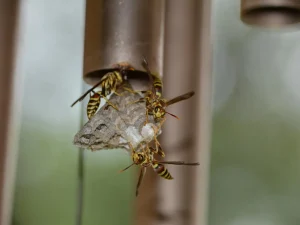
Wasps begin building new nests in spring. Queen wasps search for protected areas to start their colonies. Roof overhangs, sheds, and attics are common nesting spots. Early detection of small nests can prevent larger wasp colonies later in the season.
Spring is also the time when termites may swarm. Swarming termites leave their colonies to start new nests. Seeing flying termites near your home could indicate termite activity nearby. Termites can cause serious structural damage if infestations are not addressed quickly.
Spiders often appear in spring as they hunt other insects. While many spiders are harmless, their presence may indicate that other pests are already inside the home. Reducing insect populations helps limit spider activity as well.
Rodents remain active throughout the year, but spring often brings increased movement. Mice and rats may search for new nesting areas as outdoor conditions change. Small openings around homes allow rodents to enter easily if not sealed.
Inspecting the exterior of your home is an important step in spring pest prevention. As temperatures rise, many pests become more active and begin searching for food, water, and shelter. Small cracks, gaps, and structural openings around a home can provide easy entry points for insects and rodents without homeowners noticing. Walking around the outside of the property allows you to identify potential vulnerabilities before pests have the opportunity to move inside. Areas around doors, windows, and foundations should be carefully examined, as these are common locations where small gaps may form over time due to weather or normal building wear.
It is also important to check locations where pipes, cables, or utility lines pass through exterior walls. These openings may leave small spaces that pests can use to enter the home. Once these gaps are identified, sealing them with caulking or other appropriate materials can help block access. Damaged or worn weather stripping around doors and windows should also be repaired or replaced to ensure a proper seal. By addressing these structural openings early, homeowners can reduce the chances of pests entering the home and support more effective pest prevention throughout the spring season.
A clean home is less attractive to pests. Food crumbs, spills, and clutter provide resources that pests rely on for survival. Regular cleaning is one of the most effective spring pest control tips. Wipe down kitchen counters and store food in sealed containers. Sweep floors frequently to remove crumbs and debris. Clutter can also create hiding spots for pests. Storage areas such as basements and garages should be kept organized. Removing unnecessary items helps reduce places where pests can hide.
Moisture is one of the main factors that attract pests to a home. Many insects and rodents rely on damp environments because they provide a steady water source and favorable living conditions. During the spring, rainfall and melting snow can increase moisture levels around the property, making it easier for pests to find the water they need to survive. Areas such as basements, crawl spaces, kitchens, and bathrooms are especially vulnerable because plumbing systems and limited airflow can allow moisture to accumulate over time.
Homeowners should regularly inspect their property for signs of excess moisture, including leaks under sinks, around appliances, or near water heaters and pipes. Addressing plumbing issues quickly can help prevent damp environments from developing. It is also important to check gutters and downspouts to ensure they are free of debris and directing water away from the home’s foundation. Proper drainage helps reduce the risk of water pooling around the building, which can attract pests and contribute to structural moisture problems. By controlling moisture levels, homeowners can make their property less appealing to pests and support more effective long-term pest prevention.
Outdoor maintenance plays a major role in pest prevention. Overgrown plants and debris can attract insects and rodents near the home. Keep shrubs and tree branches trimmed away from exterior walls. This reduces pathways that pests can use to reach the house. It also improves airflow and sunlight around the property. Remove piles of leaves, wood, or yard waste from near the home. These materials can become nesting areas for insects and rodents. Maintaining a clean yard is one of the most effective spring pest control tips for long term prevention.
Improperly managed garbage can easily attract pests to both the interior and exterior of a home. Food scraps, organic waste, and strong odours provide a reliable food source for insects and rodents searching for easy access to nourishment. When garbage containers are left open or not properly sealed, pests such as flies, ants, cockroaches, and rodents may gather around them and eventually attempt to enter the home. Maintaining proper waste management practices is therefore an important part of effective pest prevention.
Using garbage containers with secure, tightly fitting lids can help prevent pests from accessing food waste. It is also helpful to clean garbage bins periodically to remove residue, spills, and lingering odours that may continue to attract pests even when the bins are closed. Outdoor garbage containers should ideally be placed a short distance away from the home to reduce the likelihood of pests gathering near entry points. Inside the home, regularly emptying garbage helps prevent food waste from accumulating and creating an attractive environment for pests. These simple habits can significantly reduce pest activity and support a cleaner, healthier living space.
Monitoring your home for early signs of pest activity is an important part of maintaining effective pest prevention. Even when preventive measures are in place, pests may still find ways to enter the home. Identifying the warning signs early allows homeowners to address the issue before it develops into a larger infestation. Some common indicators include ant trails moving along walls, floors, or kitchen counters, as well as droppings found near food storage areas such as pantries or cabinets. These signs often suggest that pests have already located food sources and may be returning repeatedly.
Other warning signs can include scratching or movement sounds inside walls or ceilings, which may indicate the presence of rodents. Small nests near outdoor structures, such as sheds, decks, or garages, may also signal that pests are establishing shelter close to the home. In addition, increased insect activity near windows or doors may suggest that pests are attempting to enter through small gaps or openings. Paying attention to these signs and responding quickly can help prevent pest populations from growing and reduce the risk of a more serious infestation developing inside the home.
Professional inspections are an excellent way to strengthen your spring pest prevention plan. Pest control experts can identify risk factors that homeowners may overlook. At TAG Pest Control, our team inspects properties carefully to find signs of pest activity and potential entry points. We also recommend preventative treatments when needed.
You can explore our full range of solutions by visiting our pest control services page. Our services are designed to protect homes throughout every season. For homeowners in the area, our Langley pest control specialists understand the pest challenges common to local properties. Local experience helps us deliver targeted and reliable solutions.
Spring pest control tips are most effective when they become part of a regular home maintenance routine. Small efforts throughout the year can make a big difference. Seasonal inspections help identify new cracks, moisture issues, or outdoor conditions that may attract pests. Addressing these problems early prevents them from becoming larger concerns. Keeping living spaces clean, sealing entry points, and maintaining outdoor areas all contribute to a pest resistant home. When these habits become routine, pest problems become much less likely.
Spring is the perfect time to prepare your home for increased pest activity. As temperatures rise, insects and rodents begin searching for food, water, and shelter. Following effective spring pest control tips helps homeowners stay ahead of potential infestations. Simple steps such as sealing entry points, controlling moisture, maintaining outdoor spaces, and keeping homes clean can significantly reduce pest risks.
Early prevention protects both your home and your peace of mind throughout the warmer months. If you want extra protection this spring, professional support can make a major difference. At TAG Pest Control, we provide reliable inspections and treatments that help keep homes pest free all year long. If you are ready to strengthen your home’s protection, visit our contact page and let our team help you enjoy a safe and pest free spring season.