How to Safely Deal with Aggressive Wasps
July 8, 2026
Dealing with aggressive wasps requires caution, awareness, and the right approach to avoid provoking an attack. The first step is…
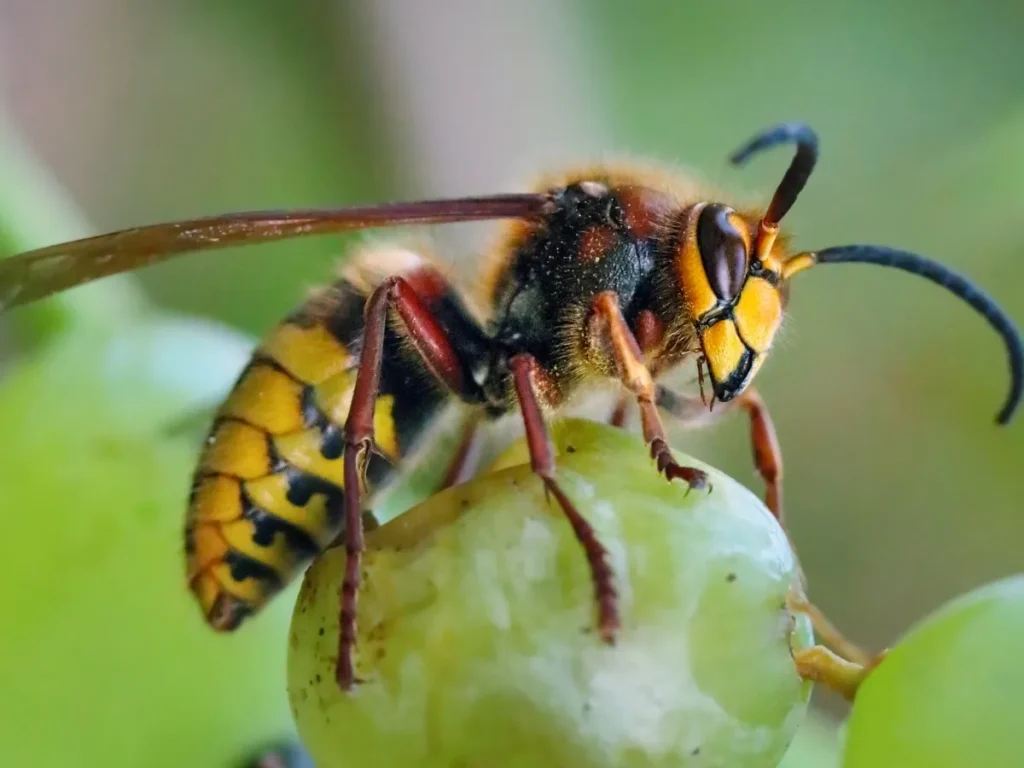
Wasps often build nests near homes because residential properties provide the shelter and protection they need to survive and reproduce. These insects prefer locations that are shielded from wind, rain, and direct disturbance. Areas such as roof overhangs, attic vents, sheds, decks, and eaves create ideal nesting spots where wasps can construct their paper-like nests safely. These protected spaces allow the colony to grow while remaining hidden from predators and harsh weather conditions. Because homes contain many small sheltered areas, they naturally attract wasps searching for secure nesting sites.
Food availability is another major reason wasps are drawn to residential properties. Wasps are attracted to sweet substances, proteins, and food scraps that are commonly found around homes. Outdoor garbage bins, pet food, compost piles, and uncovered drinks or food can easily attract them. Gardens also provide natural food sources, including nectar from flowers and insects that wasps hunt to feed their larvae. When these food sources are consistently available, wasps may choose to build their nests nearby to remain close to the resources they need.
Early prevention can help reduce the likelihood of wasps nesting around the home. Regularly inspecting common nesting areas such as eaves, decks, and sheds can help homeowners detect early signs of nest construction. Keeping outdoor trash sealed, cleaning up food spills, and limiting exposed sugary drinks or foods can make the area less attractive to wasps. If a nest is discovered, it is often safest to contact pest control professionals who have the proper equipment and experience to handle the situation safely. At TAG Pest Control, trained technicians identify nesting sites and provide effective solutions to remove wasps and prevent future nest formation around residential properties.
Wasps are naturally drawn to residential areas because these environments often provide the resources they need to survive and build colonies. Homes and surrounding yards offer many sheltered locations where wasps can construct nests, such as under roof eaves, inside sheds, beneath decks, or within wall voids. These areas protect the nest from weather and predators, allowing the colony to grow safely. When suitable shelter is combined with easy access to food and water, residential spaces can become particularly attractive to wasps.
Food availability is one of the main reasons wasps gather near homes. Many species feed on other insects, sugary substances, ripe fruit, and human food scraps. Outdoor garbage bins, compost piles, uncovered drinks, and leftover food from outdoor meals can easily attract them. In addition, nearby water sources such as ponds, birdbaths, garden hoses, and damp soil provide the hydration wasps need to survive. When these resources are located close together, wasps are more likely to remain in the area and establish nests. This combination of food, water, and shelter makes residential properties a convenient and supportive environment for wasp activity.
Wasps prefer nesting locations that provide protection from weather, predators, and frequent disturbances. Many areas around homes naturally offer these sheltered conditions, making residential structures appealing for nest building. When a queen wasp finds a safe location, she begins constructing a nest and starts raising the first group of worker wasps that will support the colony. Over time, the nest grows larger as more workers are produced, allowing the colony to expand and gather resources more efficiently.
Several parts of a home and its surrounding yard can serve as suitable nesting sites. Roof eaves and overhangs offer overhead protection from rain and wind, while attics and wall voids provide enclosed spaces where nests can remain hidden. Decks, outdoor furniture, garages, and sheds can also create quiet and sheltered areas where wasps can build without being disturbed. In addition, trees, shrubs near the house, porch ceilings, and railings often provide stable structures that support nest construction. Because these areas are often overlooked or rarely accessed by homeowners, wasps can establish nests there with little interruption, making residential buildings convenient locations for colony development.
Food plays a major role in explaining why wasps build nests near houses. Wasps are natural hunters and scavengers. They search for protein to feed their young and sugary foods to fuel their own energy. Outdoor gatherings and barbecues can unintentionally attract wasps. Sweet drinks, fruit, and meat are especially appealing. Even small food scraps left on outdoor tables or patios can bring wasps closer to the home. Gardens also attract insects, which serve as food for wasps. While this can help control some pests, it may also encourage wasps to stay nearby. When food sources are plentiful, wasps often decide that building a nest nearby is the best option.
Understanding seasonal behaviour helps explain why wasps build nests during certain times of the year. Wasp colonies usually begin forming in the spring. A fertilized queen emerges from winter shelter and searches for a suitable place to build a nest. At first, the queen builds a small nest and lays eggs that hatch into worker wasps.
These workers then expand the nest and gather food for the growing colony. By summer, the nest can grow significantly in size. Late summer is often when homeowners notice wasp activity the most. During this time, the colony is at its largest and workers are actively searching for food. This increase in activity is often when people begin to realize why wasps build nests so close to their homes.
Recognizing early signs of wasp activity can help homeowners identify a nest before the colony grows larger. One of the most common indicators is seeing wasps repeatedly flying in the same direction, which may suggest they are traveling between a food source and their nest. Wasps entering small gaps, cracks, or openings in walls, rooflines, or siding can also signal that a nest is located inside or behind those areas. Increased wasp activity around roof eaves, porch ceilings, or other sheltered spots may indicate that a nest has already been established nearby.
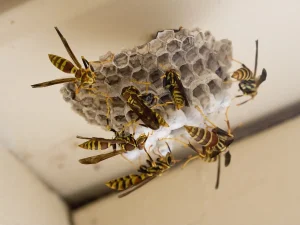
In some cases, the nest itself may become visible. Wasp nests are often made from a paper-like material created by chewing wood fibers mixed with saliva. These structures may appear under roof overhangs, in trees, or attached to outdoor structures around the home. Homeowners might also notice wasps gathering near garbage bins, compost piles, or outdoor eating areas where food is available. When these signs are present, it may mean that a colony is already active on the property. Ignoring early activity can allow the nest to grow larger, and as colonies expand, wasps may become more protective and defensive of their nesting area.
Preventing nests begins with making your property less attractive to wasps. Simple maintenance and awareness can greatly reduce the chances of wasps settling near your home. Homeowners can lower the risk by:
These steps remove many of the conditions that attract wasps. While prevention is helpful, it may not always stop determined queens from nesting. When nests appear, professional removal is the safest option. If you notice increased wasp activity around your property, our team offers professional help through our pest control services.
Wasp nests can be dangerous, especially when located close to living spaces. Wasps are protective of their colony and may sting when they feel threatened. Attempting to remove a nest without proper equipment can increase the risk of multiple stings. Professional pest control technicians have the training and tools needed to remove nests safely. They also know how to identify the species and locate hidden nests that homeowners may miss. Removing the nest properly helps prevent the colony from returning. At TAG Pest Control, we use proven techniques to handle wasp problems efficiently and safely. Homeowners looking for reliable Langley pest control services can rely on our experienced team to manage wasp activity and protect their property.
Wasps are a natural part of the environment, but nests near homes can quickly become a safety concern. By understanding why wasps build nests near residential areas, homeowners can take steps to reduce the risk. Limiting food sources, sealing entry points, and monitoring common nesting areas all help prevent colonies from forming. Regular inspections of your property can also help detect nests early. The sooner a nest is identified, the easier it is to manage.
Ignoring wasp activity often allows colonies to grow larger and more aggressive over time. If you notice signs of a nest or increased wasp activity around your home, professional help can provide safe and effective solutions. To schedule an inspection or learn more about our services, visit our contact page. The team at TAG Pest Control is here to help protect your home and family from unwanted wasp infestations.