Preventing Ant Infestations in Willoughby Condos
April 20, 2026
At TAG Pest Control, we regularly help condo owners and residents manage ant infestations in Willoughby condos. Condos offer convenient,…
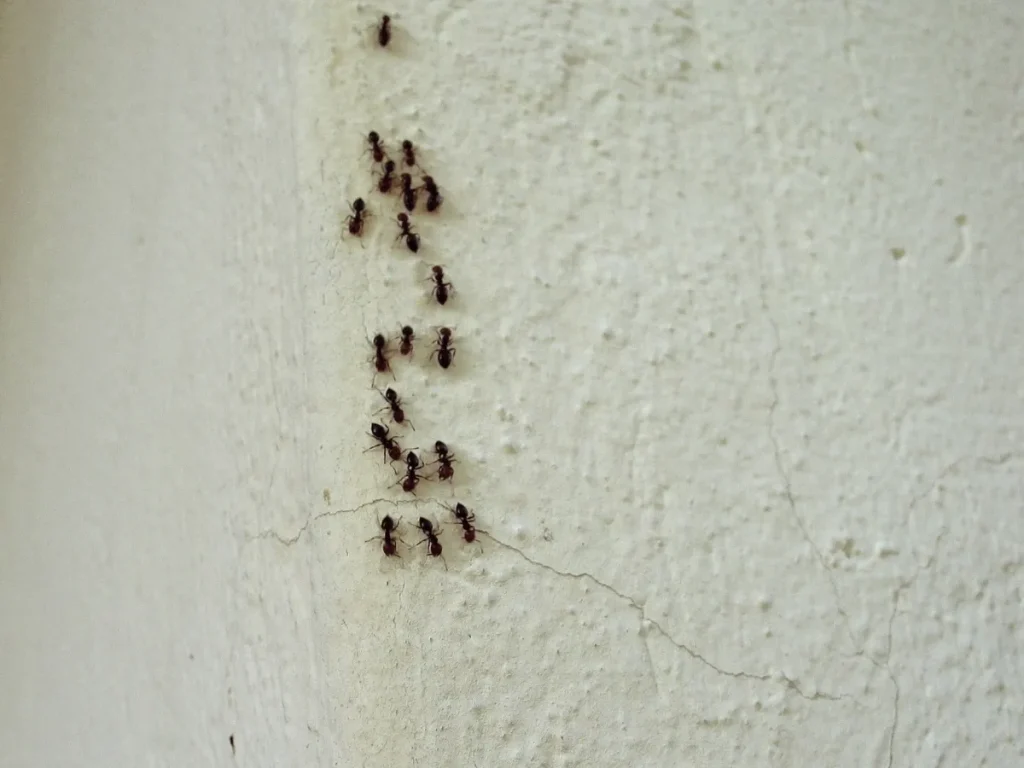
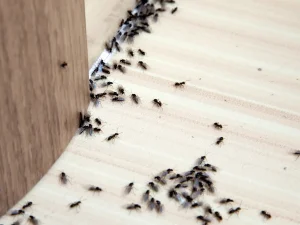
Ants typically enter homes in search of food, water, and shelter. Even the smallest crumbs or sticky spills can attract scouting ants that search for resources for their colony. Once a food source is discovered, ants leave behind scent trails that guide other ants to the same location. This is why a small number of ants can quickly turn into a noticeable trail across kitchen counters, floors, or walls. Areas such as kitchens, pantries, and bathrooms are especially attractive because they provide both food and moisture. Keeping these areas clean and eliminating accessible food sources is an important first step in effective ant control.
Sanitation and prevention play a major role in stopping ant activity. Wiping surfaces regularly, storing food in sealed containers, and promptly cleaning up spills can remove the conditions that attract ants. It is also important to inspect the home for possible entry points. Ants often enter through small cracks around windows, doors, foundations, and utility openings. Sealing these gaps with caulk or weather stripping helps block their access. Removing outdoor attractants such as exposed garbage or standing water near the home can further reduce the chances of ants entering.
In some cases, ants may continue to return even after cleaning and sealing entry points. This usually happens when a large colony is located nearby or inside the structure of the home. Ant nests can be hidden in walls, soil around the foundation, or under floors, making them difficult to eliminate without professional treatment. Pest control specialists can identify the species of ant and apply targeted solutions designed to eliminate the colony at its source. At TAG Pest Control, we help homeowners locate hidden nests and implement effective ant control strategies that provide long term protection for the home.
Ants often enter homes because they are constantly searching for food, water, and shelter. Residential environments can easily provide these resources, particularly during warmer months when ant activity increases. Small crumbs on kitchen floors, sticky spills on countertops, or uncovered food can quickly attract foraging ants. Even tiny amounts of food that go unnoticed by homeowners may be enough to draw ants indoors. Once ants discover a reliable food source, they tend to return repeatedly, increasing the chances that more ants will follow.
Moisture is another factor that makes homes appealing to ants. Areas such as kitchens, bathrooms, and laundry rooms often contain small water sources that ants depend on for survival. Leaky pipes, dripping faucets, or condensation around plumbing can create the damp conditions ants seek. After finding food or water, ants communicate the location to other members of their colony by leaving chemical scent trails. These trails guide additional ants to the same source, which is why a small number of ants can quickly grow into a larger presence if the conditions attracting them are not addressed.
Different species of ants require different ant control methods. Identifying the type of ant present can help determine the most effective treatment. Some of the most common ants found in homes include:
Each species has unique behaviours and nesting habits. For example, carpenter ants often build nests inside wood, while pavement ants commonly nest under sidewalks or foundations.
Ant infestations often develop gradually, which can make them difficult to detect in the early stages. Homeowners may initially notice only a few ants moving through the home, but these individuals are often worker ants searching for food and water sources for a larger colony located nearby. One of the most common early signs is the appearance of ant trails along walls, countertops, or floors. These trails form when ants follow scent paths left by other members of the colony, guiding them toward food sources. Ants may also begin appearing near food storage areas such as pantries, kitchen cabinets, or countertops where crumbs or spills provide easy access to nourishment.
Other warning signs may include small piles of wood shavings or debris near walls or baseboards, which can sometimes indicate nesting activity from certain ant species. Increased activity in areas with moisture, such as kitchens and bathrooms, may also suggest that ants are searching for water sources. In some cases, homeowners may notice small cracks or openings around windows, doors, or foundations where ants are entering the home. Identifying these signs early is important because ant colonies can grow quickly if left untreated. Addressing entry points and considering appropriate ant control methods can help prevent the infestation from spreading further throughout the home.
Several strategies can help eliminate ants and prevent them from returning. Successful ant control methods focus on both removing ants and addressing the conditions that attract them. Below are some of the most effective approaches.
Cleanliness is one of the simplest yet most effective ant control methods. Ants are attracted to food particles and sugary substances that may be left behind on surfaces. Regular cleaning helps remove these food sources and makes your home less appealing to ants. Wiping down counters, sweeping floors, and cleaning spills promptly can significantly reduce ant activity. It is also helpful to store food in sealed containers and keep garbage bins tightly closed. These steps prevent ants from accessing easy meals inside the home.
Ants often enter homes through tiny cracks and gaps that are easy to overlook. Doors, windows, and foundation openings can all serve as entry points. Sealing these gaps helps block access and is an important part of effective ant control methods. Caulking cracks and repairing damaged seals can make a noticeable difference. Weather stripping around doors and windows also helps prevent ants from finding their way indoors.
Moisture attracts many types of pests, including ants. Water sources such as leaking pipes or damp areas may encourage ants to remain inside a home. Fixing leaks and improving ventilation can reduce moisture levels. Dehumidifiers may also help in basements or crawl spaces where humidity is high. When moisture is removed, ants lose an important resource that helps them survive indoors.
Ant baits are commonly used as part of modern ant control methods. These products attract ants with food that contains a slow acting insecticide. Worker ants carry the bait back to the colony, where it spreads to other ants including the queen. This method helps eliminate the entire colony rather than just the ants you see. Because the process takes time, homeowners may still notice ants for a short period while the bait works.
In some cases, targeted treatments may be needed to control ants effectively. These treatments focus on areas where ants travel, nest, or enter the home. Professional grade treatments are designed to reduce ant populations while minimizing risk to people and pets. They are often more effective than store bought products when infestations are large. Proper application is important to ensure the treatment works as intended.
Outdoor prevention plays an important role in controlling ants because many infestations begin outside before ants find their way indoors. Ant colonies often form in soil, under stones, inside wood piles, or near building foundations where they can easily access shelter and food. From these outdoor nesting sites, ants may travel into homes through small openings in search of food and water. By maintaining the yard and surrounding areas, homeowners can reduce the conditions that attract ants and limit their ability to move closer to the structure.
Several simple maintenance practices can help lower outdoor ant activity around the property. Trimming tree branches and vegetation away from the house prevents ants from using them as bridges to reach roofs, windows, or walls. Removing wood piles, leaf debris, and other materials stored near the house reduces potential nesting sites for ant colonies. Sealing cracks in sidewalks, driveways, and foundations can also block common pathways ants use to enter buildings. In addition, keeping outdoor garbage bins tightly sealed and eliminating standing water helps remove food and moisture sources that attract ants. Together, these preventive steps make the area around the home less appealing to ants and reduce the likelihood of them moving indoors.
Ant infestations often return because many common treatment methods only address the ants that are visible at the moment. Homeowners frequently use sprays or surface treatments that quickly kill worker ants moving through kitchens, bathrooms, or other living spaces. While this may temporarily reduce the number of ants seen indoors, it does not usually eliminate the source of the problem. Ant colonies typically contain thousands of individuals, and the worker ants that enter the home are only a small part of a much larger population. If the colony remains active, new workers will continue to emerge and follow the same trails back into the house.
The key to long-term ant control is targeting the colony itself, particularly the queen, who is responsible for producing new ants. Professional ant control methods often focus on locating nesting areas and using treatments designed to reach the colony rather than just the visible ants. Colonies can be hidden in difficult locations such as inside wall voids, beneath foundations, or in the soil around the property. Because these nesting sites are often concealed and difficult to access, identifying and eliminating them may require specialized knowledge and inspection techniques. Addressing the root of the infestation is essential for preventing ants from repeatedly returning to the home.
If ants continue appearing despite your efforts, it may be time to contact a professional pest control service. Experts have the tools and experience needed to locate colonies and apply effective treatments. At TAG Pest Control, we provide customized solutions designed to eliminate ant infestations safely and efficiently.
Our technicians inspect the property, identify the species, and recommend the best approach for long term results. Homeowners can explore our full range of pest control services to learn how we handle ant problems. Residents in the area can also benefit from our specialized Langley pest control solutions tailored to local pest conditions.
Long-term prevention is an important part of managing ant problems in the home. Even after an infestation has been addressed, ants may return if conditions remain favorable for them. Maintaining good sanitation is one of the most effective ways to discourage ants from entering. Keeping kitchens and food preparation areas clean helps remove crumbs, spills, and residue that can attract foraging ants. Storing food in sealed containers also limits access to common food sources and prevents ants from easily locating supplies inside cabinets or pantries.
Proper home maintenance also plays a key role in preventing future infestations. Repairing plumbing leaks and reducing moisture eliminates water sources that ants often seek, particularly in kitchens, bathrooms, and basements. Regularly inspecting the home for cracks, gaps, or small openings around doors, windows, and foundations can help block potential entry points before ants use them to enter. Scheduling routine pest inspections can also be beneficial, as professionals can identify early warning signs and recommend preventive measures. Together, these practices help reduce the conditions ants rely on and support effective, long-term ant control.
Ants may be small, but they can create major frustration for homeowners. Once they enter a home, they can quickly multiply and spread throughout the property. Understanding effective ant control methods is the key to stopping infestations before they grow. By maintaining cleanliness, sealing entry points, and addressing moisture issues, homeowners can reduce the chances of ants moving inside.
When infestations persist, professional pest control provides reliable solutions that target the source of the problem. At TAG Pest Control, we are committed to helping homeowners maintain pest free homes through proven strategies and expert care. If you are dealing with ants or want to prevent future infestations, our team is ready to help. Feel free to contact us today to schedule an inspection and take the first step toward lasting ant control.