Signs You Need Professional Pest Control in Your Langley Home
January 19, 2026
At TAG Pest Control, we often speak with homeowners who wonder if their pest problem is serious enough to call…
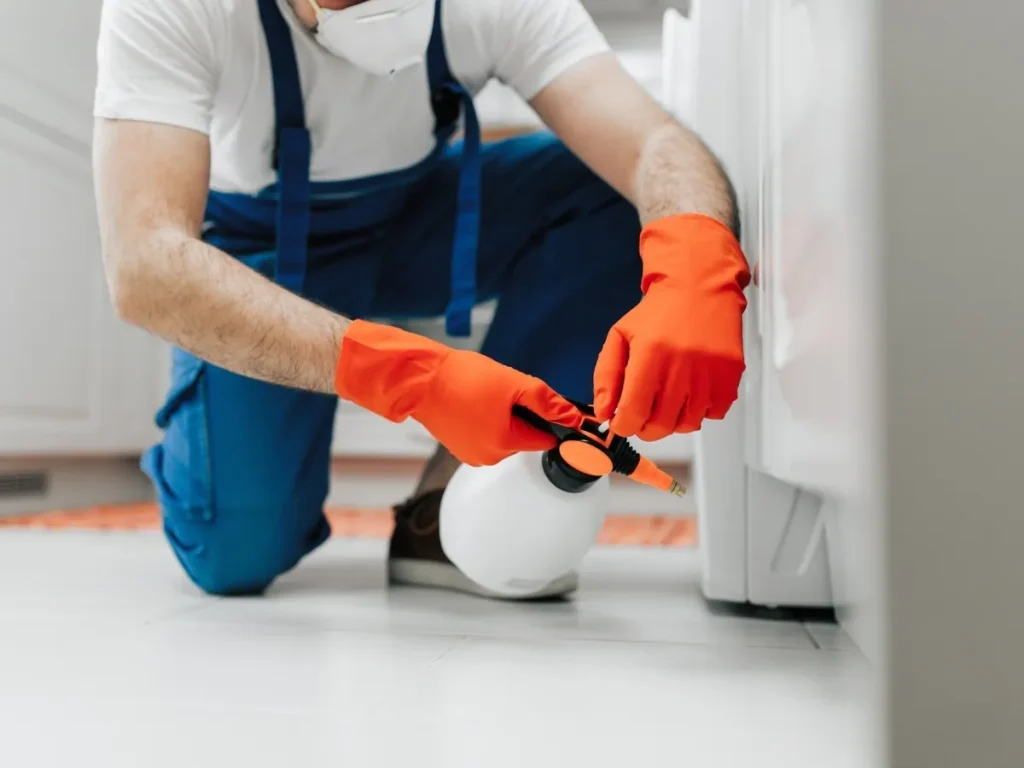
After a pest control treatment, it is important to follow the instructions provided by the pest control technician. These guidelines are designed to help the treatment work effectively and ensure the safety of everyone in the home. In many cases, homeowners may be advised to avoid certain treated areas for a short period of time, especially if sprays or other products were used. Allowing the treatment to settle properly helps maximize its effectiveness and reduces the risk of disturbing the protective barrier created by the pest control service.
Keeping the home clean and organized is another important step after a pest control treatment. Removing food crumbs, sealing pantry items, and regularly taking out the garbage can help prevent pests from returning. It is also helpful to eliminate clutter in areas such as basements, garages, and storage spaces where pests may hide or build nests. Maintaining good sanitation and reducing potential hiding places makes the environment less attractive to insects and rodents that might try to re-enter the home.
Homeowners should also monitor their home for any remaining signs of pest activity. It is normal to occasionally see a few pests shortly after treatment, as the products continue to work over time. However, if pest activity continues or increases, contacting the pest control provider for a follow-up inspection may be necessary. Regular maintenance, sealing entry points, and addressing moisture problems can also help prevent future infestations. Professional pest control companies such as TAG Pest Control can provide ongoing support and recommendations to help homeowners maintain a safe and pest-free environment.
Understanding what to do after a pest control treatment is important for ensuring the treatment works as effectively as possible. Pest control solutions are designed to target pests and interfere with their ability to survive, reproduce, or continue spreading throughout the home. However, it is common for some pests to still appear for a short period after treatment. This often happens because pests that were previously hidden in walls, cracks, or other secluded areas may come into contact with treated surfaces later.
During this time, it is important for homeowners to follow the recommended aftercare guidelines provided by the pest control professional. Certain actions, such as cleaning treated areas too soon or disturbing bait stations, can reduce the effectiveness of the treatment. Allowing the treatment to remain undisturbed helps ensure that pests continue to encounter the active materials and that the infestation is addressed thoroughly. By following proper aftercare practices, homeowners give the treatment enough time to work as intended and improve the chances of fully resolving the pest problem.
One of the most important steps after pest control treatment is avoiding immediate cleaning of treated surfaces. Pest control products are often applied in specific areas where pests travel or hide. Cleaning these areas too soon can remove the treatment before it has time to work. In most cases, homeowners should wait several days before cleaning areas that were treated. This allows pests to come into contact with the product and carry it back to their nests or colonies. However, always follow the specific instructions provided by your pest control technician. General household cleaning can continue in untreated areas. Just be careful not to disturb treated spaces until enough time has passed.
Many homeowners are surprised to see pests shortly after pest control treatment. This can make it seem like the treatment did not work. In reality, it is often a sign that the treatment is working as expected. Pests may become more visible after treatment because they are forced out of hiding. As they come into contact with treated areas, they may appear more frequently for a short period. This activity usually decreases over time as the treatment takes effect. Seeing a few pests during this period does not necessarily mean the infestation remains. If activity continues for an extended time, contacting your pest control provider for advice may be helpful.
Maintaining a clean home is an important step after a pest control treatment. Many pests are attracted to food residue, crumbs, and spills that may remain on kitchen surfaces or floors. By removing these food sources, homeowners can help prevent new pests from entering the home and reduce the chances of surviving pests continuing to feed. Clean surroundings make it more difficult for pests to find what they need to survive, which supports the effectiveness of the treatment that was applied.
Developing consistent cleaning habits can help maintain these results. Wiping kitchen counters daily helps remove food particles and sticky residues that attract insects. Sweeping floors regularly prevents crumbs from collecting near appliances or in corners where pests may feed. Storing food in sealed containers protects pantry items from insects and rodents, while cleaning up spills quickly prevents lingering food odors. It is also important to keep garbage bins tightly closed and empty them regularly so that waste does not attract pests. These simple practices help reduce the likelihood of pests returning and support the long-term success of pest control treatments.
Another important step after pest control treatment is keeping treated areas accessible. Pest control technicians often treat areas where pests travel, such as along baseboards, corners, or entry points. Placing furniture or storage items directly against these areas may reduce the treatment’s effectiveness. When possible, leave a small gap between walls and furniture to allow the treatment to remain active. This is especially important in areas such as kitchens, basements, and storage rooms where pests often move along wall edges.
After a pest control treatment, it is important for homeowners to continue monitoring their home for any signs of pest activity. While treatments are designed to address infestations, early detection of new or remaining pests helps ensure that problems are managed before they grow again. Staying attentive to small warning signs allows homeowners to respond quickly and maintain the effectiveness of the treatment. There are several indicators that may suggest ongoing or returning pest activity.
Droppings or debris found in cupboards, corners, or storage areas can point to the presence of rodents or insects. Scratching or movement sounds inside walls or ceilings may signal hidden pest activity. Chewed packaging, damaged materials, or food containers can also be signs that pests are searching for food. In addition, seeing insects, mice or rodents in living areas may indicate that further attention is needed. If these signs appear after a treatment, it may be helpful to contact a pest control professional, as a follow-up visit can sometimes be recommended to ensure the issue is fully resolved.
Preventing pests from returning is an important part of what to do after pest control treatment. Many infestations begin when insects or rodents find small openings that allow them to enter the home. Even tiny gaps around doors, windows, or the foundation can provide enough space for pests to slip inside. Taking time to inspect these areas helps identify potential entry points that may have contributed to the original problem.
Homeowners can reduce the risk of future infestations by sealing these openings with appropriate materials. Cracks around foundations, gaps near windows and doors, and openings around pipes or utility lines should be carefully closed. Installing weather stripping around doors and windows, adding door sweeps, and using caulking or sealant on small cracks can help block these pathways. By keeping pests outside and limiting access to the home, these preventive steps support the long-term effectiveness of pest control treatments and make it less likely that pests will return.
Reducing moisture and clutter is an important step in maintaining a pest-free home after a pest control treatment. Many pests are attracted to damp environments because they rely on moisture to survive. Areas such as basements, bathrooms, laundry rooms, and kitchens can easily develop excess moisture if leaks or poor ventilation are present. Addressing these issues by repairing leaking pipes, improving airflow, or using dehumidifiers can help keep these spaces dry and less appealing to pests.
Clutter can also provide ideal hiding and nesting places for insects and rodents. Items such as cardboard boxes, stacks of paper, and unused storage materials create sheltered spaces where pests can remain unnoticed. Organizing storage areas and removing unnecessary items helps reduce these potential hiding spots. Keeping basements, garages, and closets tidy not only improves cleanliness but also makes it easier to spot early signs of pest activity. Maintaining a dry and organized environment supports the long-term effectiveness of pest control treatments and helps prevent future infestations.
In some situations, pest control may require more than one visit. Larger infestations or certain pest species may need follow up treatments to ensure complete removal. Following your technician’s advice after pest control treatment can help achieve the best outcome. Scheduled inspections or additional treatments may be recommended depending on the type of pest and severity of the infestation. At TAG Pest Control, we work closely with homeowners to ensure treatments remain effective. Our experienced technicians provide guidance and support throughout the entire process. You can learn more about our professional pest control services and how we help protect homes from pests.
Homeowners in Langley often face pest issues throughout the year due to seasonal changes and local environmental conditions. Rodents, ants, and other insects may become more active during certain times of the year. Our team understands the pest challenges that affect homes in this region. We provide customized pest control solutions designed to address local pest activity and prevent future infestations. If you need reliable pest management in your area, our Langley pest control specialists are ready to help with professional services.
Knowing what to do after pest control treatment can make a big difference in the success of your pest management plan. Allowing treatments to remain undisturbed, maintaining cleanliness, and sealing entry points all help keep pests away. Although some pest activity may occur shortly after treatment, this is often a normal part of the process. Over time, the treatment works to eliminate the infestation and restore comfort to your home.
If you have questions or notice ongoing pest issues, professional support can help ensure the problem is fully resolved. Our team is always ready to assist homeowners with reliable pest control solutions. You can easily contact our team to schedule an inspection or discuss your concerns. Taking the right steps after treatment helps protect your home for the long term. At TAG Pest Control, we are committed to helping homeowners maintain pest free homes with dependable, professional pest management services.