Signs You Need Professional Pest Control in Your Langley Home
January 19, 2026
At TAG Pest Control, we often speak with homeowners who wonder if their pest problem is serious enough to call…
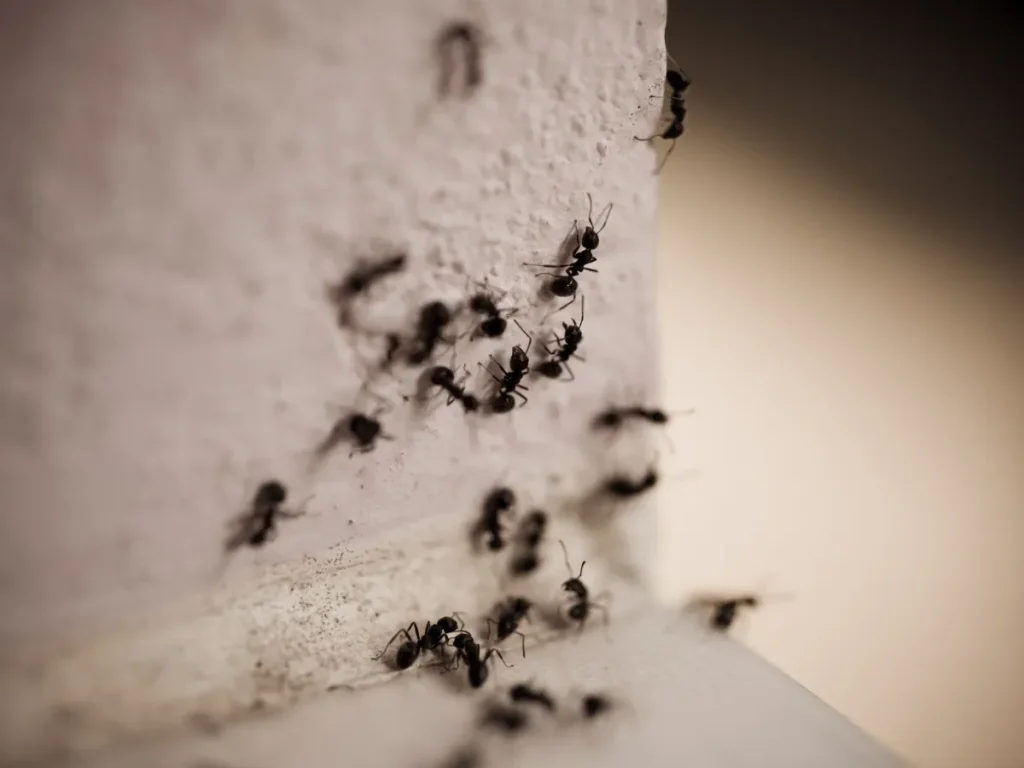
Buying a new home is an exciting achievement, but it also comes with the responsibility of protecting the property from potential pest problems. Many homeowners focus on maintenance, cleaning, and repairs, but pest prevention is often overlooked until an issue appears. Even a well-maintained home can attract insects or rodents if certain conditions are present. Pests are always searching for food, water, and shelter, and homes naturally provide many of these resources. Taking preventative steps early can help reduce the chances of pests settling in and causing damage.
One of the most effective pest prevention strategies is identifying and sealing possible entry points around the home. Small cracks in the foundation, gaps around doors and windows, and openings around pipes or utility lines can allow pests to enter unnoticed. New homeowners should inspect both the interior and exterior of the property to locate and seal these gaps. Keeping the home clean and properly storing food can also reduce the risk of attracting pests. Kitchen areas, garbage bins, and storage spaces should be maintained carefully to eliminate food sources that insects or rodents may seek out.
Maintaining the property outside the home is equally important for preventing pest problems. Overgrown vegetation, standing water, and clutter near the foundation can create environments where pests thrive. Regular yard maintenance, proper drainage, and keeping firewood or storage items away from the house can help reduce pest activity. Scheduling periodic inspections can also help detect early signs of pest problems before they become serious infestations. Professional pest control services, such as those provided by TAG Pest Control, can help new homeowners identify potential risks and implement effective prevention strategies to keep their homes pest free.
Pest prevention is especially important for new homeowners because many pest problems begin as small, easily overlooked issues that can grow over time. A few ants in the kitchen, a mouse in the basement, or a small hidden nest may seem minor at first, but these situations can quickly develop into larger infestations if they are not addressed early. Practicing pest prevention for homeowners helps reduce the likelihood of pests settling inside the home and multiplying. Taking simple preventive steps early is often much easier and less costly than dealing with a widespread pest problem later.
Pests can also cause a variety of problems that affect both the structure of a home and the health of the people living in it. Rodents may chew through electrical wires, insulation, or stored materials, which can lead to property damage and safety concerns. Certain insects may damage wood, fabrics, or other household items, while others can contaminate food and surfaces. Preventing pests early helps protect the home’s structure and maintain a cleaner living environment. For new homeowners, effective pest prevention also provides peace of mind, allowing them to focus on settling into their new space without worrying about potential pest issues.
One of the most important steps in pest prevention for homeowners is checking for entry points. Pests often enter homes through very small openings that homeowners may not notice at first. Walk around the exterior of your home and look for cracks in the foundation or gaps around windows and doors. Openings around pipes, vents, and utility lines can also allow pests to enter. Sealing these areas with caulking, weather stripping, or proper materials helps create a barrier against pests. This simple step can prevent insects and rodents from gaining access to your home.
Kitchens are one of the most common places where pests search for food. Practicing good kitchen habits is a key part of pest prevention for homeowners. Food crumbs, spills, and open containers can attract ants, cockroaches, and rodents. Cleaning kitchen surfaces daily helps remove these food sources. Wiping counters and sweeping floors regularly keeps pests from finding easy meals. Storing food in sealed containers is another helpful step. Airtight containers prevent pests from accessing food and reduce food odours that might attract them.
Moisture is another major factor that attracts pests. Many insects and rodents prefer damp environments where water is easy to find. Controlling moisture is an important part of pest prevention for homeowners. Check for leaking pipes under sinks, in bathrooms, and in basements. Even small leaks can create ideal conditions for pests such as cockroaches or silverfish. Using dehumidifiers in damp areas and ensuring proper ventilation can also help reduce moisture levels. Keeping your home dry makes it much less attractive to pests.
Outdoor maintenance plays a big role in pest prevention for homeowners. Pests often begin their activity outside before eventually moving indoors. Keeping your yard clean and organized helps reduce this risk. Trim plants and shrubs so they do not touch the exterior walls of your home. Overgrown vegetation can create hidden pathways for insects and rodents. It is also important to store firewood and outdoor materials away from the house. These items can provide shelter for pests and allow them to move closer to your home.
Garbage bins can attract pests if they are not handled carefully. Food waste produces strong smells that insects and rodents find appealing. Managing garbage is an essential part of pest prevention for homeowners. Use bins with tight fitting lids to keep pests from accessing food waste. Indoor garbage should be emptied regularly to prevent odours from building up. Outdoor bins should be placed away from doors or windows whenever possible. This helps reduce the chances of pests moving from garbage areas into the home.
Attics and basements are common hiding places for pests. These quiet areas often provide warmth, shelter, and nesting materials. Inspecting these spaces regularly supports pest prevention for homeowners. Look for signs such as droppings, chewed materials, or unusual smells. These may indicate rodents or insects are already present. Keeping these areas clean and organized makes it easier to spot problems early. Reducing clutter also removes potential nesting spots for pests.
Even with careful prevention, pests may still attempt to enter your home. Professional inspections can help detect problems before they become serious. This makes inspections a valuable part of pest prevention for homeowners. Pest control experts know where pests tend to hide and how to identify early warning signs. Their inspections can reveal problems that homeowners might overlook.
At TAG Pest Control, we offer reliable pest management services designed to protect homes throughout the year. Homeowners can explore our full range of professional solutions through our trusted pest control services. Residents looking for local support can also learn more about our specialized Langley pest control services, where our team addresses pest issues common in the region.
Developing simple daily habits can significantly improve pest prevention for homeowners. Many pests are attracted to homes that provide easy access to food, water, and shelter. By maintaining a clean and well-organized environment, homeowners can remove many of the conditions that allow pests to thrive. Small actions performed regularly can help reduce the chances of pests entering the home and establishing nests. Several basic habits can make a noticeable difference.
Cleaning kitchen surfaces and floors regularly removes crumbs and food residue that attract insects and rodents. Storing food in sealed containers helps prevent pests from accessing pantry items. Fixing leaks promptly reduces moisture that many pests rely on for survival. Keeping storage areas organized eliminates clutter that can serve as hiding or nesting spaces. Inspecting the home for early signs of pest activity allows problems to be addressed quickly before they grow. In addition, maintaining a tidy yard by removing debris and trimming plants away from the home can reduce outdoor pest activity near the property. These small habits require little effort but play an important role in protecting the home from potential pest problems.
Owning a home comes with many responsibilities, and pest protection is one of them. Practicing pest prevention for homeowners helps keep your property safe, clean, and comfortable. By sealing entry points, managing food and moisture, and maintaining your home regularly, you can reduce the risk of pest infestations. Early action and prevention are always more effective than dealing with a serious pest problem later. At TAG Pest Control, we are dedicated to helping homeowners keep their homes pest free. If you want expert advice or professional pest protection, our team is ready to assist. Visit our contact page today and let TAG Pest Control help you protect your new home with trusted pest control solutions.