Pest Control in Coquitlam
February 22, 2026
At TAG Pest Control, we understand how suddenly pest activity can disrupt everyday routines. Spotting ants along a counter, hearing…
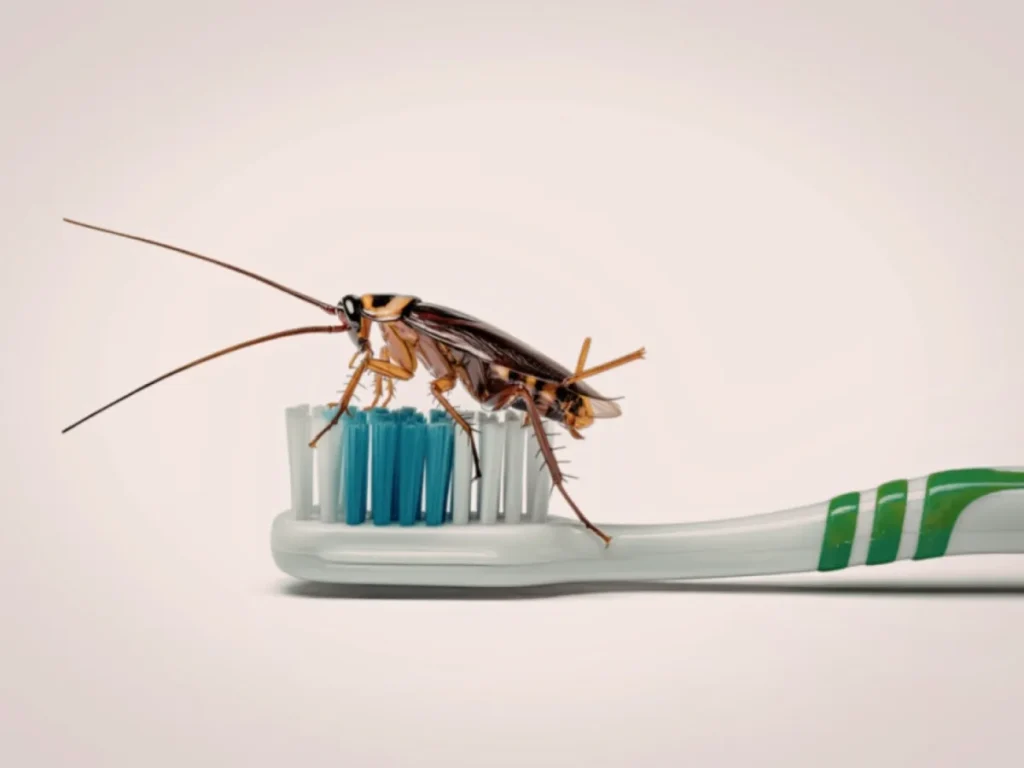
Basements provide ideal conditions for many types of pests because they are often dark, damp, and rarely disturbed. Insects such as spiders, ants, and cockroaches are attracted to moisture and hidden spaces, while rodents may use basements as safe areas to build nests. Small cracks in the foundation, gaps around pipes, and poorly sealed windows can serve as entry points that allow pests to move inside unnoticed. Once pests gain access to the basement, they may eventually spread to other parts of the home in search of food and additional shelter.
Moisture is one of the biggest factors that attracts pests to basement areas. Leaky pipes, condensation, and poor ventilation can create damp conditions that insects thrive in. Keeping the basement dry is an important step in preventing pest problems. Homeowners can reduce moisture by repairing leaks, using a dehumidifier, and ensuring proper drainage around the home’s foundation. In addition, keeping storage areas organized and avoiding clutter can eliminate hiding places where pests might nest or breed.
Regular inspections and preventative maintenance can greatly reduce the risk of basement infestations. Sealing cracks in the foundation, repairing damaged window screens, and closing gaps around utility lines can prevent pests from entering the home. Properly storing food, cardboard boxes, and household items can also help reduce potential pest habitats. However, if pest activity is already present, professional assistance may be necessary. Pest control professionals, such as the team at TAG Pest Control, can identify problem areas, treat infestations safely, and provide long-term solutions to help keep basements and homes pest-free.
Many pests are naturally attracted to basements because these areas often provide the conditions they need to survive and reproduce. Basements tend to have higher moisture levels, stable temperatures, and limited human activity, making them appealing environments for insects and rodents. Damp conditions can attract pests that rely on moisture, while the warmth and shelter protect them from outdoor weather changes. Because of these factors, basements can easily become a starting point for infestations if they are not regularly monitored. Understanding why pests are attracted to basements is an important step toward improving basement pest control and preventing problems before they grow.
Another reason basements attract pests is the presence of small entry points and numerous hiding spaces. Cracks in foundation walls, gaps around pipes, vents, and other utility openings can allow insects and rodents to enter without being noticed. Once inside, pests often hide behind storage boxes, appliances, insulation, or other cluttered areas that provide protection and nesting materials. Since basements are typically used less frequently than other parts of the home, pest activity can continue for long periods before it becomes visible. Regular inspections and proper maintenance can help identify these vulnerabilities and reduce the chances of pests settling in basement areas.
Several types of pests are commonly found in basements. Each species is attracted to slightly different conditions, but they all benefit from the shelter basements provide. Knowing which pests you may encounter helps guide proper basement pest control strategies. Some of the most common basement pests include:
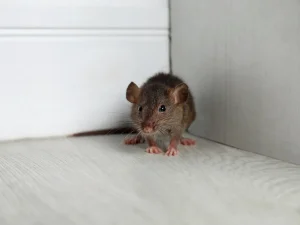
Rodents often enter basements through small openings near the foundation. Insects may crawl through cracks in walls or floors. Moisture loving pests such as silverfish and centipedes thrive in damp basement environments. Identifying the type of pest can help determine the best approach to removal and prevention.
One of the most effective basement pest control strategies is sealing entry points. Pests often enter through tiny cracks and gaps that homeowners may not notice. Even small openings can provide easy access for insects and rodents.mStart by inspecting the foundation and basement walls for cracks or holes. Pay close attention to areas where pipes, wires, and vents enter the house.
These spaces often leave gaps that pests can use as entry points. Sealing these openings with appropriate materials can greatly reduce the chances of pests getting inside. Doors and windows in the basement should also fit tightly. Installing weather stripping and repairing damaged window screens can help block potential entry points. Regular inspections of these areas can prevent small issues from becoming larger pest problems.
Moisture is one of the biggest factors that attract pests to basements. Many insects rely on damp environments to survive. Because basements are often cooler and more humid than the rest of the house, they naturally attract these pests. Reducing moisture is an important part of basement pest control. Fixing leaks in pipes or walls can eliminate water sources that pests depend on.
A dehumidifier can also help maintain a dry environment in the basement. Homeowners should also check for signs of water damage or poor drainage around the foundation. Water that collects near the home’s exterior can eventually seep into the basement. Keeping gutters clean and directing water away from the house can help prevent this problem.
Clutter provides ideal hiding places for pests. Cardboard boxes, paper, and fabric materials can become nesting areas for rodents and insects. Maintaining a clean and organized basement can significantly improve basement pest control efforts. Try to store items in sealed plastic containers instead of cardboard boxes. This makes it harder for pests to build nests and protects belongings from damage.
Regular cleaning can also help remove crumbs, dust, and debris that attract insects.mBasement storage areas should remain tidy and well arranged. Leaving space between stored items and walls allows homeowners to spot pest activity more easily. Routine cleaning and organization reduce the chances of pests settling in unnoticed.
Although basements are not usually used for food preparation, food items are sometimes stored there. Pantry supplies, pet food, or emergency food storage can attract pests if not stored properly. This is why food management is an important part of basement pest control. All food stored in the basement should be kept in airtight containers.
Rodents can easily chew through cardboard packaging or thin plastic bags. Sealed containers help prevent pests from reaching stored food. Garbage or recycling bins kept in the basement should also remain tightly closed. Cleaning spills and removing crumbs immediately can reduce pest attraction. These small habits help maintain a pest free environment.
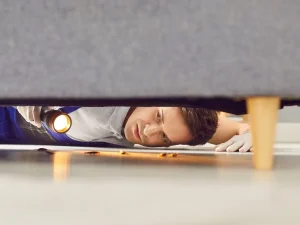
Pests often prefer dark and quiet areas where they feel safe from disturbance. Basements that remain dark and poorly ventilated may attract insects looking for shelter. Improving lighting and airflow can support better basement pest control. Adding additional lighting can help homeowners inspect the basement more effectively. Bright areas make it harder for pests to remain hidden. Better ventilation can also help reduce moisture levels, making the basement less appealing to insects. Opening vents, installing fans, or improving airflow systems can create a healthier basement environment. A dry and well lit basement discourages many common pests.
Detecting pests early in the basement can help prevent a small problem from developing into a larger infestation. Because basements are often used for storage and may not be visited daily, pest activity can sometimes go unnoticed for long periods. Regular inspections allow homeowners to spot early warning signs and address the issue before pests spread to other parts of the house. Recognizing these indicators is an important part of maintaining effective basement pest control.
Several common signs may suggest pest activity in the basement. Droppings found along walls, near stored items, or in corners can indicate the presence of rodents or other pests. Chewed packaging, damaged boxes, or gnawed materials may also signal that pests are searching for food or nesting supplies. Insects may leave webs or small nests in quiet corners or near ceiling edges. Unusual scratching, scurrying, or movement sounds coming from walls or ceilings can suggest hidden rodent activity. Additionally, small holes or expanding cracks in walls or foundation areas may provide entry points for pests. If any of these signs appear, it is important to take action promptly to prevent the infestation from spreading to other areas of the home.
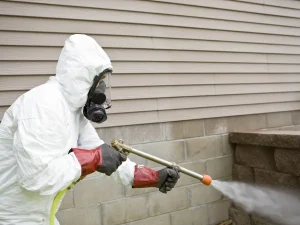
While prevention methods can reduce pest activity, some infestations require professional help. Pests often hide in areas that are difficult to reach, such as inside walls or under flooring. Professional pest control technicians have the tools and experience needed to address these problems effectively. At TAG Pest Control, we provide reliable basement pest control solutions designed for Canadian homes.
Our trained technicians inspect basements carefully to identify pest entry points and nesting areas. We then apply safe and effective treatments that eliminate infestations while preventing future problems. Homeowners who want long term protection can learn more about our pest control services and how we keep homes pest free.
Basements in Langley homes can experience pest problems throughout the year. Seasonal weather changes often drive pests indoors in search of warmth and shelter. Basements become convenient entry points for rodents and insects during colder months. Our experienced team understands the pest challenges that homeowners in Langley face. We use targeted solutions designed to address local pest problems and prevent them from returning. Our goal is always to provide reliable and long lasting pest protection. If you are dealing with pest issues in your basement, our Langley pest control specialists are ready to help with professional solutions.
Maintaining a pest free basement is an important part of protecting your entire home. Moisture, clutter, and small entry points can easily attract pests if left unaddressed. Taking simple steps such as sealing gaps, reducing humidity, and maintaining cleanliness can greatly improve basement pest control. However, some infestations require professional expertise to remove completely. Pest control specialists can locate hidden entry points and eliminate pests safely. Professional inspections also help prevent future infestations before they start.
If you suspect pests in your basement, it may be time to seek expert assistance. Our team is ready to help protect your home and restore peace of mind. You can easily contact our team to schedule an inspection. A clean and well maintained basement is one of the best defences against pest problems. At TAG Pest Control, we are proud to help homeowners keep their basements and entire homes protected with dependable pest management solutions.