Effective Bed Bug Control for Homes in Burnaby
August 12, 2026
Bed bugs are small, flat insects that feed on human blood, usually at night while people are sleeping. Because they…

Bed bugs are small insects that can quickly turn into a serious problem inside a home if they are not detected early. These pests are skilled at hiding in tiny cracks and crevices, making them difficult to notice during the early stages of an infestation. Bed bugs are most active at night, when they come out to feed on human blood while people are sleeping. Because of their secretive behavior, many homeowners do not realize they have a problem until the infestation has already begun to grow. Recognizing early bed bug signs is essential for preventing the problem from spreading throughout the home.
At TAG Pest Control, we frequently assist homeowners who only discover bed bugs after they begin noticing unusual symptoms or signs in their bedroom. Bed bugs reproduce quickly, and a small number of insects can rapidly turn into a larger infestation if left untreated. These pests can easily move between rooms by hiding in bedding, furniture, clothing, and luggage. This ability to spread makes early detection especially important. The sooner bed bug signs are identified, the easier it becomes to control the problem and prevent it from affecting other areas of the home.
Some of the most common bed bug signs include small reddish stains on sheets, dark spots from droppings on mattresses or bedding, and itchy bite marks that often appear in clusters on the skin. You may also notice tiny shed skins or even the insects themselves hiding along mattress seams, bed frames, or nearby furniture. Regularly checking these areas can help homeowners catch the problem early. In this guide, we will explain the most common bed bug signs, where to inspect in your bedroom, and when it is the right time to contact pest control professionals for effective treatment.
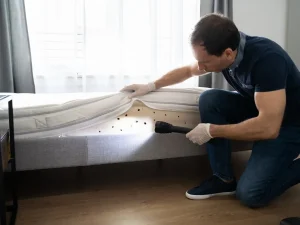
Early bed bug detection is important because these pests are highly skilled at hiding in small, hard-to-notice spaces. Bed bugs often conceal themselves in mattress seams, box springs, bed frames, furniture joints, and tiny cracks around bedrooms. Since they are mainly active at night, homeowners may not see them during the day, which allows an infestation to remain unnoticed for some time. As a result, the first visible signs may only appear after the population has already begun to grow.
When early bed bug signs are ignored, the infestation can expand rapidly. Bed bugs reproduce quickly, and a small number of insects can multiply into a much larger population within a few months. As their numbers increase, they may spread beyond the bed to nearby furniture, carpets, and even other rooms in the home. Detecting the problem early makes treatment more manageable and helps limit the spread of the infestation. Recognizing the warning signs allows homeowners to take action sooner and reduce the likelihood of a more severe and difficult problem later.
Small bite marks on the skin are often one of the earliest signs that bed bugs may be present in a home because these insects feed on human blood while people sleep. The bites usually appear as small red bumps on exposed areas of the body such as the arms, neck, face, shoulders, or legs, where the skin is easier for bed bugs to reach during the night.
In many cases, the bites appear in clusters or in short lines, which occurs when a bed bug feeds multiple times while moving along the skin. Some individuals may experience itching, redness, or mild irritation, while others may have little to no visible reaction to the bites. Although bite marks alone cannot confirm a bed bug infestation, they are often one of the first signs that lead homeowners to suspect that bed bugs may be present.
Dark spots on bedding or mattresses are a common sign of bed bug activity because these insects leave behind droppings after feeding. These droppings often appear as small black or dark brown dots that resemble ink stains and may be found on mattress seams, pillowcases, bed sheets, or mattress tags where bed bugs tend to hide and travel. The stains are typically most noticeable near sleeping areas because bed bugs remain close to their food source and often gather in small crevices around the bed.
When these spots are present, they can indicate that bed bugs have been feeding regularly in the area. Regularly checking bedding, especially along seams and edges of the mattress, can help homeowners detect these marks early and identify possible bed bug activity before the infestation becomes more widespread.
Tiny blood stains on sheets can be a possible sign of bed bug activity because these insects feed on human blood while people are sleeping. After feeding, small blood spots may appear on bedding if a bed bug is accidentally crushed during movement in the night or if a small amount of blood leaks from the bite area. These stains are commonly found on pillowcases, sheets, or mattress covers and often appear as small light red or rust-coloured marks. Although these spots can be subtle and may easily be mistaken for other stains, they can sometimes indicate that bed bugs are present near the sleeping area. While not every infestation produces visible blood stains, noticing them alongside other signs can suggest possible bed bug activity.
Shed bed bug skins are a common sign of bed bug activity because bed bugs go through several growth stages and must shed their outer shell each time they develop into the next stage. As they grow, these discarded skins are often left behind in the areas where bed bugs hide and rest during the day. Homeowners may find them along mattress seams, inside bed frames, behind headboards, or within small cracks and crevices in nearby furniture.
The shed skins are typically pale yellow or light brown and resemble tiny, empty insect shells that match the shape of a bed bug. Because these skins accumulate near hiding spots over time, finding them in or around the sleeping area is considered a clear indication that bed bugs may be present and that an infestation could be developing.
Larger bed bug infestations may produce a noticeable odour. This smell is often described as musty or slightly sweet. The odour is caused by chemicals released by the insects. While it may not always be obvious in smaller infestations, stronger smells can appear as the number of bed bugs increases. If you notice an unusual smell around your sleeping area combined with other bed bug signs, it may indicate a growing infestation.
Seeing live bed bugs in hiding areas is one of the most definite signs of an infestation because these insects typically remain concealed during the day and only come out at night to feed on human blood. Adult bed bugs are small, oval-shaped insects that are reddish-brown in color and are roughly the size of an apple seed, making them difficult to notice unless they are actively moving or discovered in their hiding spots.
They prefer to stay close to sleeping areas and commonly hide in places such as mattress seams, bed frames, behind headboards, inside furniture joints, and along baseboards where small cracks and crevices provide protection. Because bed bugs are very skilled at hiding in tight spaces, actually seeing one often indicates that the infestation has already developed and that multiple bugs may be present nearby.
Although beds are the most common place to find bed bugs, these pests can easily spread to other nearby furniture and items in the bedroom as an infestation develops. Bed bugs look for dark, protected spaces where they can hide during the day, and this often leads them to areas such as nightstands, dressers, upholstered chairs, curtains, and even small gaps around electrical outlets.
These locations provide the tight crevices and sheltered conditions that bed bugs prefer while remaining close to human sleeping areas. As the number of bed bugs increases, they may expand beyond the bed and occupy multiple hiding spots throughout the room. Discovering bed bugs in several pieces of furniture or different areas of the bedroom is a strong indication that the infestation is more established and that professional pest control treatment may be required to fully address the problem.
Bed bugs are difficult to remove because of their ability to hide in extremely small spaces and survive in challenging conditions. These pests can squeeze into tiny cracks in furniture, mattresses, bed frames, baseboards, and even behind wall coverings. Their flat bodies allow them to remain concealed during the day, making them hard to locate and treat. In addition, bed bugs can survive for long periods without feeding, which allows them to remain hidden until a host becomes available again. This resilience makes them particularly challenging to eliminate using basic household methods.
Many homeowners attempt to manage bed bug problems with sprays, cleaning routines, or other DIY treatments. While these methods may temporarily reduce visible bed bug activity, they rarely address the entire infestation. Bed bugs often hide deep within furniture joints, mattresses, and structural gaps that are difficult to reach without specialized equipment. Because of this, professional pest control is frequently required to locate and treat all hiding areas effectively. Recognizing the early bed bug signs helps homeowners respond more quickly, which can prevent the infestation from spreading and becoming more difficult to control.
Professional pest control services are designed to eliminate bed bugs safely and effectively. Pest control experts use specialized treatments that target bed bugs in their hiding places. At TAG Pest Control, our team carefully inspects bedrooms and surrounding areas to identify the full extent of the infestation. We then apply targeted treatments designed to remove bed bugs at every stage of their life cycle. If you want to learn more about our approach to pest management, you can explore our pest control services. Professional treatment not only removes existing bed bugs but also helps prevent the infestation from returning.
Bed bug problems can occur in homes, apartments, and even hotels. Local pest control experts understand how these pests spread and how to remove them effectively. Our experienced team provides reliable Langley pest control services designed to help homeowners eliminate bed bugs and protect their living spaces. We work with homeowners to identify bed bug signs, remove infestations, and restore comfort to their homes.
If you begin noticing several signs of bed bugs in your bedroom, it is important to respond quickly. Bed bugs reproduce rapidly, and delaying action can allow the infestation to spread beyond the bed to other furniture, rooms, and living spaces. Early signs such as frequent bites during the night, small dark stains on bedding or mattresses, shed insect skins near the bed, or the presence of live bed bugs in furniture or cracks may indicate that bed bugs are already active in the area. Ignoring these warning signs can allow the population to grow and make treatment more complicated. Contacting pest control professionals at the first signs of an infestation can help prevent the problem from becoming more severe.
Trained technicians can perform a detailed inspection to confirm the presence of bed bugs and identify their hiding places throughout the room. Professional treatments are designed to reach areas that are difficult to access with basic household methods, helping to eliminate bed bugs more effectively. Acting quickly with professional support can limit the spread of the infestation and help restore a safe and comfortable sleeping environment. If you suspect bed bugs in your home, our team is ready to assist. You can contact us through our contact page to schedule a professional inspection.
Bed bugs are small pests that can quickly disrupt the comfort of your home. Recognizing early bed bug signs is the key to stopping an infestation before it spreads throughout your living space. By watching for bite marks, stains on bedding, shed skins, and hidden insects, homeowners can detect bed bugs sooner and take action quickly.
Early intervention makes treatment easier and helps prevent the problem from growing. At TAG Pest Control, we are committed to helping homeowners identify pest problems and restore peace of mind with safe, effective pest control solutions. If you suspect bed bugs in your bedroom, our team is ready to provide the expert support you need.