
Rodent Control in Coquitlam: Early Warning Signs
July 10, 2026
Rodents are a frequent concern for homeowners in Coquitlam, particularly during colder months when mice and rats look for warmth…
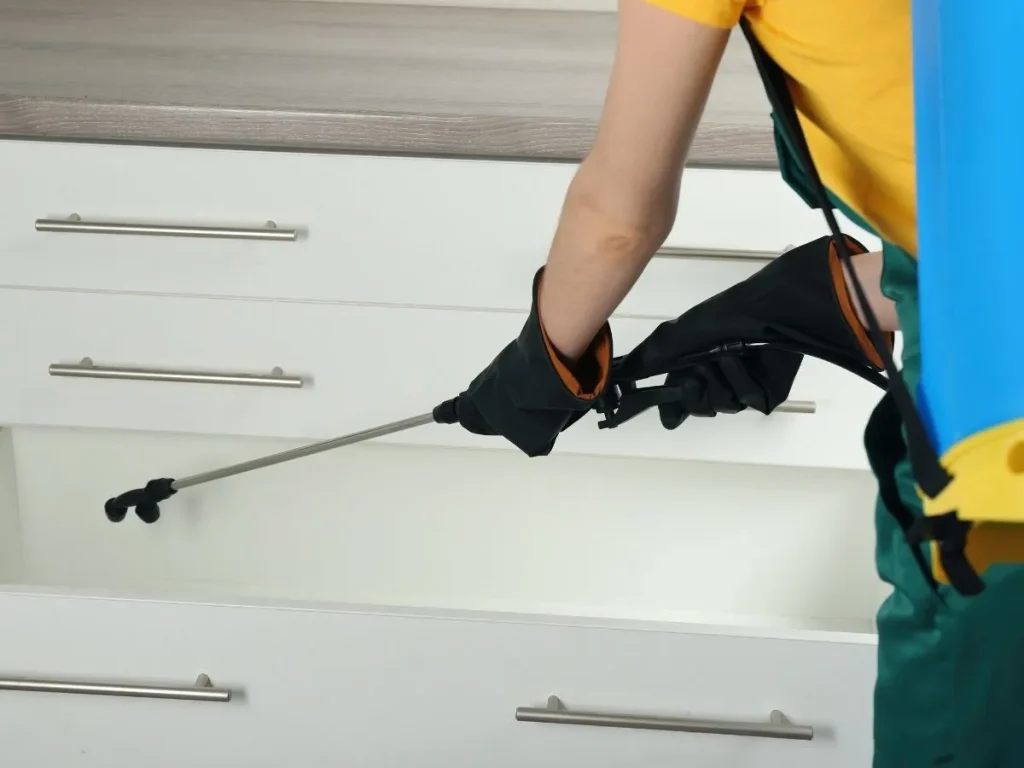
Rodent infestation signs often appear well before a homeowner ever spots an actual mouse or rat. These pests are highly skilled at staying hidden, nesting inside walls, attics, basements, and crawl spaces where they can move around undetected. Because rodents are mostly active at night, it is common for an infestation to grow quietly for weeks or even months before someone notices unusual activity. By the time a rodent is seen running across the floor or along a wall, the population inside the home may already be established. At TAG Pest Control, we frequently assist homeowners who later realize that the early warning signs were present but went unnoticed.
Rodents are more than just a nuisance; they can cause significant damage and create serious health concerns. Mice and rats constantly chew to keep their teeth from growing too long, which means they often gnaw on wood, plastic, insulation, and even electrical wiring. This behavior can lead to costly repairs and increase the risk of electrical fires. In addition, rodents contaminate food and surfaces with their droppings and urine, spreading bacteria and allergens that may affect the health of those living in the home. These risks make it essential for homeowners to recognize rodent infestation signs as early as possible.
Understanding the common warning signs can help you detect a problem before it becomes severe. Small droppings, scratching noises inside walls, gnawed materials, and unusual pet behavior are often early indicators of rodent activity. You may also notice greasy rub marks along baseboards, shredded nesting materials, or a musty odor in hidden areas of the home. Identifying these clues early allows you to take action before the infestation grows larger and more difficult to control. In this guide, we will explain the most common signs that rodents may already be living in your home and what steps you should take if you discover them.
Rodent infestations pose serious risks to both homes and the people living in them. Mice and rats reproduce rapidly, which means a small number of rodents can quickly multiply into a much larger population if the problem is not addressed early. In favorable conditions, a single pair of mice can produce dozens of offspring within a year. As the population grows, rodents begin spreading throughout walls, attics, basements, and storage areas, making the infestation more difficult to control over time.
In addition to their rapid reproduction, rodents can cause significant structural damage inside a home. Because their teeth grow continuously, they must chew on materials such as wood, plastic, insulation, and even electrical wiring to keep them worn down. This chewing behavior can weaken structural materials and increase the risk of electrical hazards. Rodents also carry bacteria, parasites, and other contaminants that can spread through droppings, urine, and nesting materials. These health risks make it important for homeowners to recognize rodent infestation signs early and take action before the problem becomes more severe.
The presence of droppings is one of the most common and noticeable signs of a rodent infestation. Rodent droppings are typically small, dark, and resemble grains of rice in shape and size. They are often left behind in places where rodents travel, feed, or nest. Homeowners may find droppings in kitchen cabinets, pantry shelves, under sinks, along baseboards, or even inside drawers where food or crumbs may be present. Because rodents tend to move along walls and hidden pathways, droppings often appear in corners, behind appliances, or in areas that are not cleaned frequently.
The condition of the droppings can also provide clues about how recent the activity is. Fresh droppings are usually dark in color and slightly soft, indicating that rodents are currently active in the area. Over time, droppings become dry, brittle, and crumbly as they age. If new droppings continue to appear after cleaning, it is a strong indication that rodents are still present and actively moving through the space. Identifying and addressing this sign early can help prevent the infestation from growing and reduce the risk of contamination in food preparation and storage areas.
Scratching or scurrying noises inside a home are common signs of rodent activity because mice and rats are nocturnal animals that become most active at night when the environment is quiet and safe for them to move around. Homeowners may hear faint scratching, squeaking, or quick running sounds coming from hidden areas such as attics, wall cavities, crawl spaces, or behind large appliances where rodents typically build nests and travel through small openings.
These sounds occur as rodents search for food, chew materials, or move between nesting and feeding areas. If the noises happen repeatedly during the night or become louder and more frequent over time, it may indicate that the number of rodents inside the home is increasing, making the problem more noticeable and suggesting a growing infestation that requires attention.
Gnaw marks on household items are a common indicator of rodent activity because rodents must continuously chew on various materials to keep their teeth from growing too long, as their teeth grow throughout their lives. This constant gnawing behaviour often results in visible damage around the home, including bite marks on wooden furniture, torn food packaging, chewed electrical wires, damaged plastic containers, and marked baseboards.
Rodents use their sharp teeth not only to maintain tooth length but also to access food, create entry points, and build nesting spaces. Fresh gnaw marks are typically lighter in color and appear rougher than older marks, which tend to darken over time. When homeowners notice new chewing damage in different areas of the house, it can be a strong sign that rodents are actively present and may indicate a developing infestation that requires prompt attention.
Nesting materials found inside a home can be a clear indication of rodent presence because rodents gather soft and easily shaped items to build nests where they can rest, stay warm, and raise their young. These nests are usually hidden in quiet, undisturbed areas such as corners, behind stored items, inside wall spaces, or in attics and crawl spaces where people rarely check.
Rodents commonly use materials like shredded paper, small pieces of fabric, insulation, cardboard fragments, and even dry leaves to create compact and protected nesting areas. When homeowners discover small piles or clusters of these materials tucked away in hidden spots, it often means rodents have already established a living space nearby. This sign is particularly concerning because it suggests that rodents may be actively breeding within the home, which can quickly lead to a larger infestation if the problem is not addressed promptly.
Strong musty odours inside a home can be an indication of rodent activity because rodents produce urine, droppings, and body oils that create a distinct and unpleasant smell over time, especially in enclosed spaces where they live or travel frequently. This odour is often described as musty or similar to ammonia and tends to become more noticeable as the rodent presence increases or when ventilation in the affected area is limited.
The smell may originate from hidden locations such as wall cavities, cabinets, basements, or other secluded areas where rodents nest and move around regularly. If the odour appears stronger in certain parts of the home, it may help identify where rodents are most active, allowing homeowners to narrow down the possible locations of nests or entry points.
Grease marks along walls are another sign of rodent activity because rodents often travel the same routes repeatedly as they move between their nests and food sources. As they squeeze through tight spaces and run along surfaces, the natural oils and dirt on their fur rub off onto nearby structures, leaving behind dark, greasy streaks. These marks commonly appear along baseboards, wall edges, floor corners, and around pipes where rodents prefer to move while staying close to surfaces for protection. Over time, as rodents continue using the same paths, the marks can become darker and more noticeable, especially in areas with frequent movement. When grease marks appear together with other indicators such as droppings or gnaw damage, they are considered strong signs that rodents are actively present in the home.
Tracks or footprints can reveal hidden rodent activity because rodents often leave small marks when they move through dusty or dirty areas within a home. These tiny footprints may appear in places such as basements, garages, attics, or storage spaces where dust tends to collect and human activity is minimal. Since rodents frequently follow the same pathways when searching for food or moving between nesting areas, their tracks can sometimes form visible patterns along floors or surfaces.
A common method to confirm their presence is to sprinkle a thin layer of flour or powder along suspected routes; if small footprints or tail marks appear the next day, it is a strong indication that rodents are traveling through that area. Although these signs can be subtle and easy to overlook, they provide useful evidence that rodents may be present and actively moving inside the home.
Damaged food packaging is a common sign of rodent activity because rodents are constantly searching for accessible food sources and will chew through packaging to reach stored items in kitchens, pantries, or cupboards. Their strong teeth allow them to easily tear open materials such as plastic bags, cardboard boxes, and thin containers, often leaving behind bite marks, torn edges, or scattered crumbs around the storage area. Homeowners may notice ripped food bags, punctured boxes, or small food particles spread across shelves and cabinets where rodents have been feeding.
Once rodents locate a reliable food source, they usually return to the same spot repeatedly, increasing the chances of further damage and contamination. This behavior not only wastes food but can also spread bacteria and make kitchen areas unsanitary, which is why damaged packaging is considered an important sign of a possible rodent infestation.
Changes in pet behaviour can sometimes signal the presence of rodents in a home because animals such as dogs and cats have much stronger senses of hearing and smell than humans. Pets may detect the movement, scent, or sounds of rodents hiding inside walls, cabinets, or behind appliances long before people become aware of the problem. As a result, they may start showing unusual behaviour such as pawing at walls, staring intently at a specific corner, barking or meowing during the night, or repeatedly sniffing around cupboards and hidden spaces. These reactions often occur because the pet is trying to locate the source of the unfamiliar sounds or smells. When such behaviour happens consistently in the same area of the home, it can sometimes point to possible rodent activity and serve as an early warning sign of a developing infestation.
Seeing a rodent during the daytime can be a strong indication that a larger infestation may already be present because rodents are naturally nocturnal and typically prefer to search for food and move around at night when the environment is quiet and less threatening. When a mouse or rat is spotted during the day, it often suggests that the rodent population has grown enough to force some of them to become active outside their usual hours.
This situation may occur when the number of rodents is high, food sources are becoming limited, or nesting areas are overcrowded, causing competition among them. As a result, some rodents take the risk of venturing out during daylight in order to find food or new shelter. Daytime sightings therefore often signal that rodents feel relatively comfortable in the space and that the infestation may already be well established.
Many homeowners attempt to handle rodents using store bought traps or poison. While these methods may catch a few rodents, they rarely solve the root of the problem. Rodents are excellent at hiding and finding new entry points into homes. Without proper inspection and sealing, new rodents can quickly replace those that are removed.
Professional pest control services address the full problem by identifying entry points, removing rodents safely, and preventing future infestations. At TAG Pest Control, our trained technicians provide complete solutions designed to protect your home. You can explore our full pest control services to learn how we help homeowners deal with rodent problems.
Professional pest control focuses on both removal and prevention. The first step is a detailed inspection of the property to identify rodent infestation signs and locate nesting areas. Technicians then develop a customized treatment plan that may include:
This approach ensures that the infestation is eliminated while reducing the chances of rodents returning. Homeowners looking for trusted pest management can rely on experienced Langley pest control services to handle rodent issues quickly and safely.
Reducing the risk of rodents in your home begins with limiting the factors that attract them, such as accessible food, shelter, and entry points. Proper food storage is one of the most effective prevention methods. Keeping food in sealed containers prevents rodents from accessing easy food sources, while ensuring garbage bins are tightly closed helps reduce odors that may attract them. Maintaining clean kitchen and dining areas, including promptly cleaning crumbs and spills, can also discourage rodents from searching for food inside your home.
In addition to managing food sources, it is important to reduce potential nesting areas and block possible entry points. Sealing cracks and gaps around doors, windows, foundations, and utility lines can prevent rodents from entering the home through small openings. Removing clutter from basements, garages, and storage spaces eliminates hiding spots where rodents may build nests. Outdoor maintenance also plays a role, as trimming vegetation close to the home reduces sheltered pathways that rodents may use to approach the structure. Regular inspections around both the interior and exterior of your property can help you identify rodent infestation signs early and address problems before they become more serious.
If you notice multiple rodent infestation signs around your home, it is best to act quickly. Waiting too long allows rodents to reproduce and spread throughout the property. Professional pest control experts have the tools and training needed to locate hidden nests and eliminate the problem safely. They can also help identify entry points and recommend ways to keep rodents from returning. If you suspect rodents may be living in your home, reach out through our contact page to schedule a professional inspection.
Recognizing rodent infestation signs early can save homeowners from costly damage and health concerns. From droppings and chewing marks to unusual noises in the walls, these warning signs should never be ignored.
Taking action quickly is the best way to stop an infestation before it spreads. At TAG Pest Control, our experienced team helps homeowners identify rodent problems and remove them safely. When you need reliable pest control solutions you can trust, TAG Pest Control is ready to help keep your home protected.