Rodent Control in Surrey BC: Protecting Your Property
May 22, 2026
Rodents such as rats and mice are highly adaptable and can enter Surrey BC homes through small gaps around foundations,…
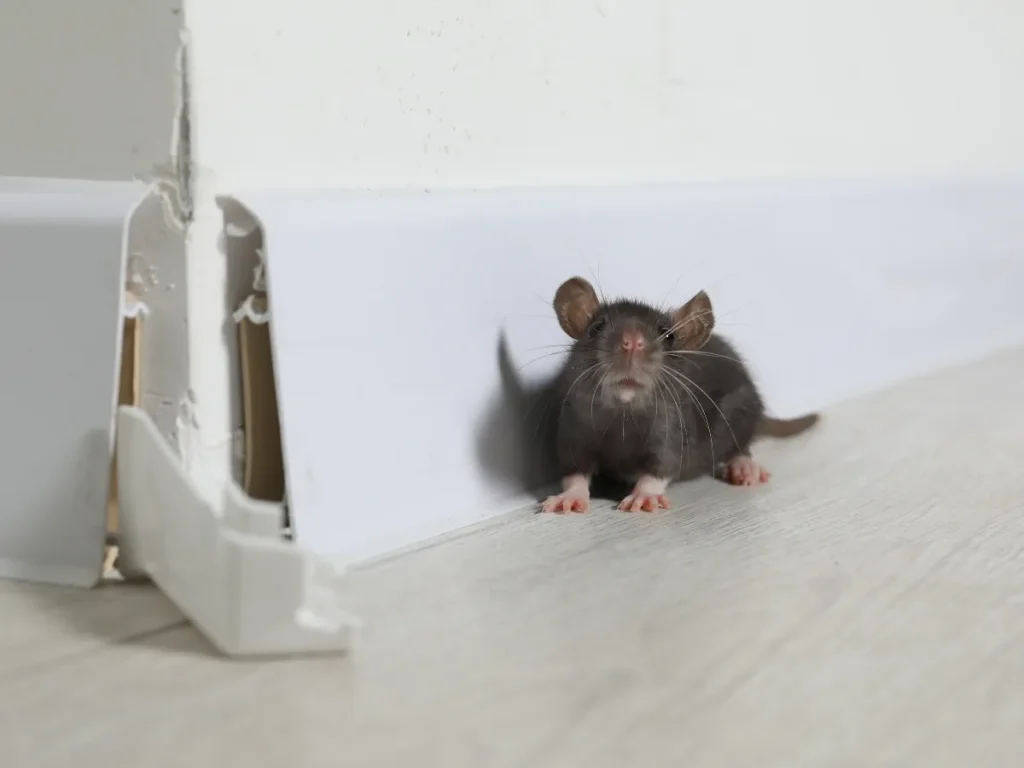
At TAG Pest Control, we often hear homeowners ask why rodents are common in Willoughby townhomes, especially during fall and winter. Willoughby is a fast growing community with many modern townhome developments, but growth brings unique pest challenges. Rodents are highly adaptable and take advantage of changes in their environment. Construction, shared walls, and dense housing create ideal conditions for mice and rats. Even clean, well maintained homes can experience rodent activity. Understanding the reasons behind these infestations is the first step toward prevention.
Rodent problems can be stressful for townhome residents because infestations often spread between units. What starts as a small issue in one home can quickly affect neighbours. Rodents seek warmth, food, and shelter, all of which townhomes provide. Without proper prevention and coordinated action, problems can persist. In this guide, we explain why rodents are common in Willoughby townhomes and what homeowners can do to protect their living spaces.
One of the main reasons why rodents are common in Willoughby townhomes is rapid development. Large areas of land have been cleared to make room for new housing. This disrupts natural rodent habitats and forces them to relocate. When outdoor shelter and food sources disappear, rodents move closer to residential buildings. Townhome complexes often sit near these disturbed areas.
Construction activity also creates temporary nesting opportunities. Materials, debris, and open foundations provide shelter during building phases. Once construction is complete, rodents remain in the area and explore nearby homes. Townhomes become an easy target because of their structure and shared spaces. This pattern is common in newly developed neighbourhoods.
Townhomes differ from detached homes in one important way, shared walls. These shared structures make it easier for rodents to travel between units. If rodents enter one townhome, they can move through wall voids, ceilings, and utility lines. This is a key reason why rodents are common in Willoughby townhomes compared to single family homes.
Shared spaces such as garages, storage rooms, and utility areas increase the risk. Rodents only need one access point to affect multiple units. This makes infestations harder to control without professional help. Coordinated prevention across the complex is often necessary. Ignoring the issue in one unit can allow rodents to spread.
Modern townhomes are designed for efficiency, but this can create vulnerabilities. Small gaps around utilities, vents, and foundations are common entry points. Rodents can squeeze through openings as small as a coin. Even new buildings can settle over time, creating cracks. These small gaps are often overlooked during routine maintenance.
Garages are another common access point in townhomes. Gaps under garage doors or along walls provide easy entry. Once inside, rodents explore walls and ceilings. Townhome layouts often allow rodents to move undetected. Sealing these entry points is critical for prevention.
Rodents are driven by survival, especially during colder months. This is a major reason why rodents are common in Willoughby townhomes during fall and winter. As temperatures drop, outdoor conditions become less hospitable. Townhomes provide consistent warmth and protection from the elements. Rodents are naturally drawn to these environments.
Insulated walls, attics, and basements create ideal nesting areas. Rodents prefer quiet, undisturbed spaces where they can reproduce safely. Townhomes offer many of these hidden areas. Once rodents settle in, they are difficult to remove without professional intervention. Prevention before cold weather arrives is essential.
Food availability plays a significant role in rodent activity. Rodents are opportunistic and will take advantage of any accessible food source. In townhome complexes, multiple households increase the chances of finding food. Improperly sealed garbage, pet food, and pantry items attract rodents. Even small crumbs can sustain them.
Outdoor food sources also contribute to the problem. Recycling areas, compost bins, and shared garbage rooms are common attractants. Landscaping that produces seeds or fallen fruit adds to the risk. When food is readily available, rodents are more likely to stay. Managing food sources is a key part of prevention.
Landscaping around townhomes can unintentionally support rodent activity. Dense shrubs, ground cover, and mulch near foundations provide shelter. These areas allow rodents to hide while searching for entry points. Poor drainage can create damp conditions that attract pests. Over time, these factors increase the likelihood of infestation.
Trees and shrubs that touch buildings act as bridges for rodents. They can climb easily and access rooflines or upper units. Storage of materials near exterior walls also creates hiding spots. Proper landscaping maintenance reduces these risks. Homeowners and property managers should work together on exterior prevention.
Knowing the signs of rodent activity helps homeowners act quickly. One of the most common signs is scratching or scurrying noises, especially at night. Rodents are nocturnal and often active when the home is quiet. Droppings in kitchens, garages, or storage areas are another clear indicator. Chewed packaging or wires should never be ignored.
Other signs include nests made from shredded materials and unpleasant odours. Grease marks along baseboards or walls show travel paths. Pets may react to rodent presence by barking or pawing at walls. Early detection prevents the problem from spreading to neighbouring units. Prompt action is essential.
Rodents pose serious risks beyond annoyance. They can spread bacteria through droppings and urine. Contaminated surfaces and food increase health concerns for residents. Rodents can also introduce fleas and mites into the home. These secondary pests create additional problems. Property damage is another major concern.
Rodents chew on wires, insulation, and structural materials. This can lead to costly repairs and even fire hazards. In townhomes, damage may extend beyond one unit. Addressing rodent problems protects both health and property. Prevention reduces long term risks.
Many homeowners try DIY solutions when they notice rodent activity. While traps may catch individual rodents, they rarely solve the entire problem. This is one reason why rodents are common in Willoughby townhomes despite repeated DIY efforts. Without addressing entry points and nesting areas, rodents return. In shared structures, DIY methods are even less effective.
Improper use of products can also pose safety risks. Some solutions are not suitable for homes with children or pets. DIY efforts often focus on symptoms rather than causes. Professional pest control addresses the full scope of the issue. This leads to lasting results.
At TAG Pest Control, we take a comprehensive approach to rodent problems in townhomes. Our process begins with a detailed inspection of the unit and surrounding areas. We identify entry points, nesting sites, and risk factors. This allows us to create a customized treatment plan. Our methods are safe, effective, and designed for shared living spaces. Professional rodent control also includes exclusion and prevention. Sealing entry points reduces the chance of re entry. Ongoing monitoring ensures long term protection. We work with homeowners and property managers to coordinate solutions. You can learn more about our approach on our services page.
Local knowledge makes a significant difference in rodent control. Willoughby’s development patterns and building styles present unique challenges. At TAG Pest Control, we understand why rodents are common in Willoughby townhomes specifically. This insight allows us to provide targeted and effective solutions. Experience in the area improves outcomes. We are familiar with common entry points and seasonal trends in Willoughby. This helps us prevent problems before they escalate. Working with a local provider also means faster response times. Learn more about our specialized Langley pest control services. Local expertise brings peace of mind.
Prevention is key to reducing rodent activity in townhomes. Seal gaps around doors, windows, and utilities. Keep food stored in sealed containers and clean regularly. Avoid clutter in garages and storage areas. These steps reduce shelter and attractants. Outdoor maintenance is equally important. Trim vegetation away from buildings and manage garbage properly. Report issues to property management promptly. Coordinated prevention across units is most effective. Consistency helps protect the entire complex.
Some rodent issues require immediate professional attention. Persistent noises, droppings, or visible damage are warning signs. In townhomes, delays can affect neighbouring units. Professional intervention ensures safe and effective removal. Early action prevents escalation. If you are concerned about rodents or want help with prevention, our team is here to help. Contact us through our contact page to schedule an inspection. We provide expert guidance and reliable solutions. Your comfort and safety matter to us.
Understanding why rodents are common in Willoughby townhomes helps homeowners take proactive steps. Shared structures, rapid development, and seasonal changes all play a role. With proper prevention and professional support, rodent problems can be managed effectively. At TAG Pest Control, we are proud to help Willoughby residents protect their homes and peace of mind. When you need dependable rodent control, TAG Pest Control is the trusted choice.